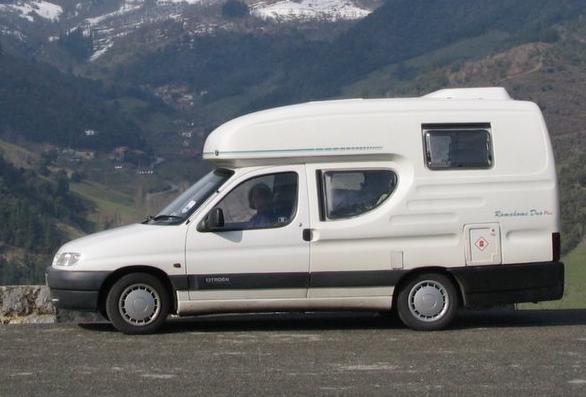
This really is a very pleasant site. It has only the minimum of facilities so does not attract large crowds. They tend to use the main site further down the road. The facilities here are clean and adequate and now that there is a cool breeze blowing the lack of shade is not so urgent. The site is called Moin Moin. This is a regional word which we have discovered means Good Morning or Hello. Most of Germany uses the word Morgen but Moin Moin is equivalent to the Bavarian Gruss Gott. This evening we have sat outside with glasses of wine while our supper cooked in the tiny oven we have with us. Until today we have not used it for weeks as it has been far too hot to cook.
Last night we eventually had a little rain and this morning everywhere felt much fresher though the rain that fell had completely disappeared into the grass which felt as dry as ever as we breakfasted outside.
We drove into Niebüll where we have spent most of the day. At the library we were unable to load material on to the internet as they did not permit us to use our USB stick. However, we solved this problem at the railway station before returning to the town centre for a very nice, inexpensive lunch at the local butcher/delicatessen where every day they offer a particular dish. Today it was roast lamb with vegetables which we ate at a table shared with others outside the shop front. Here we ended up talking to a couple who had visited Exeter and had fond memories of the cathedral, but most of all, memories of Pizza Express on the cathedral green. They reckon it serves the best pizza they have ever tasted!
During the afternoon we visited the Friesland Museum. It only opens for a few hours a day and is run by very well informed volunteers. We were the only visitors this afternoon and were given a guided tour by the curator. It took two hours to see around the farmhouse which is conserved as it would have been over the last few centuries. It was in use until the 1920s. Our guide was a very friendly man who quickly warmed to his subject when he realised Ian could cope with German and with translating the bits Jill didn't quite grasp – though that is improving very quickly. He was the same age as us and had attended school in Niebüll at the time Ian was here so long ago. They speculated they may even have met at that time!
He took us around the museum, room by room, explaining how the farm would have been run and how thatching with reeds was carried out, showing us the necessary tools. He explained the workings of the kitchen - bread making, the way the huge cast iron cooking pots would have been used, how water was drawn and heated and how farm produce was preserved for the winter months He showed us the box beds where the family slept and the loom where fabric was woven. He was frequently able to draw on examples from his own life, speaking about his grandfather and even showing us skates similar to the ones he used to get to school across the frozen winter landscape. Here the water level rises in winter, freezes and forms a sheet of ice over whole areas of the countryside. He showed us cupboards filled with women's lace bonnets, equipment for making candles, paintings and samplers done by local people, farming tools and nineteenth century ledgers with the farm accounts neatly written down with a quill pen. He showed us the stalls where the cattle were milked and livestock housed over the wintertime. It became clear from his descriptions that the whole building was efficiently designed, from its east-west orientation with the cattle at the east end - down-wind from the prevailing westerlies, to the seats of the farmer and his wife beside the south-facing windows, the farmer with his rack of pipes readily to hand, the wife with her embroidery and lace making equipment fixed to her side of the table.
 Farmhouse museum in Niebüll
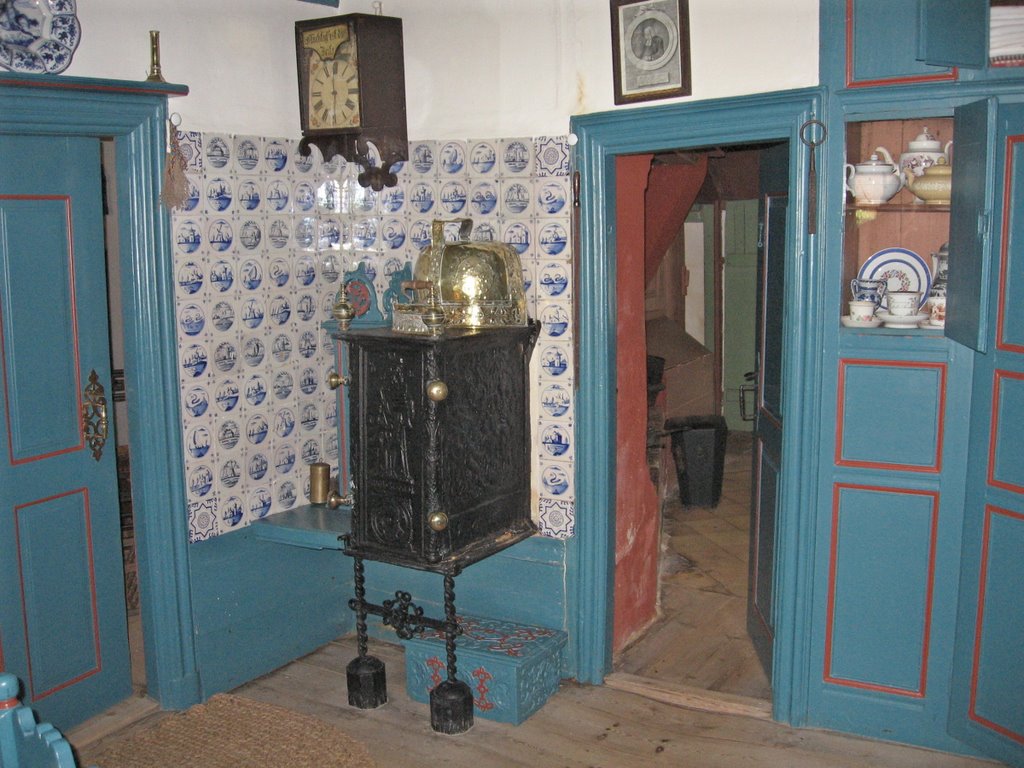 Main living room and bedroom at the farmhouse museum in Niebüll
 Best parlour at the farmhouse museum in Niebüll
 Candle-making equipment at the farmhouse museum in Niebüll
 Kitchen range and cooking equipment at the farmhouse museum in Niebüll
Usually we prefer to look around a place at our own pace and work out how things function. In this instance though, it was really good to have someone so enthusiastic and knowledgeable to explain things to us in such a friendly manner. He obviously got as much pleasure from it as we did and he was in no hurry to get off home at closing time when we were still there chatting.
Later, back in town, we picked up a pretty Porthmerion mug for peanuts in a junk shop. Obviously it is not recognised or appreciated here as it is in Britain and other parts of Europe. We've been very good about not buying anything as we travel, knowing we would have to carry it around for the rest of the year. Now though, with only four weeks to go, we can perhaps afford to be a bit more self-indulgent.
Tuesday 1st August 2006, Dagebüll, on the North Sea, Schleswig-Holstein
Yes, we are still here! Having found a nice campsite why rush off up into Denmark? Everyone we have spoken to warns us it is expensive and there are still interesting things to do around this northernmost tip of Germany where we can understand the language and everyone is so friendly.
Looking at the map a while back it seemed as if it would be interesting to take Modestine to Sylt, a strip of land off the westernmost coast of German Friesland, linked to the mainland by a causeway and stretching right up to the Danish border. However, we discovered the only way out is across the Hindenburg Dam, a stretch of reclaimed land across the mudflats with the sea lapping at either side where drainage ditches and dykes are helping to reclaim a gradually widening strip back from the sea. The dam is only wide enough to support a railway line which is single track for much of its length. Vehicles have to be loaded onto navettes at Niebüll to be carried across the causeway and unloaded in Westerland, the only town of any size on the long, narrow strip of land that is Sylt. Having no real need for Modestine on the island, or indeed for Hinge and Bracket, we left them together in a car park in Niebüll and took the train across the causeway without them.
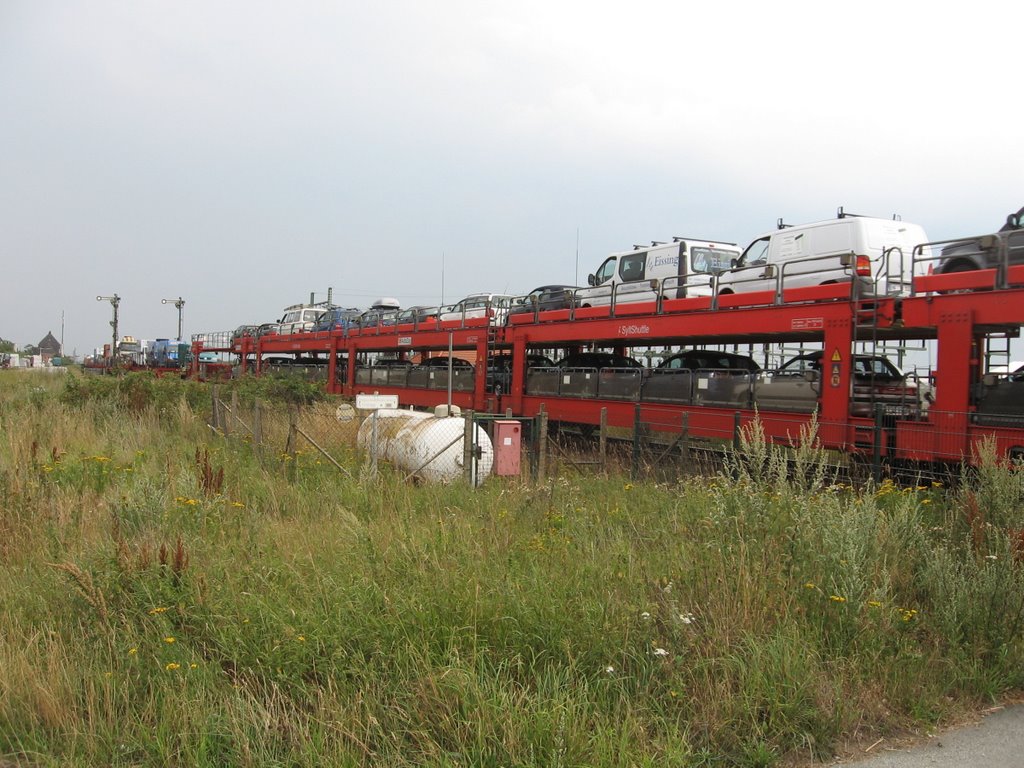 Vehicles being carried to the island of Sylt
As we left the mainland it started to rain. We have been longing for it to return but on an exposed spit of land almost devoid of trees, it was not quite the moment to welcome it back
According to our German guidebook Westerland is the most chic of all the German seaside resorts. Germany does not actually have many seaside resorts and perhaps we were naïve to assume this meant it was a rather nice place. We were generally disappointed with Sylt. While it was worth a single visit, we would never bother to go again. Westerland is overcrowded and overpriced. The streets in the centre may be chic but within half and hour we had become bored with shops selling locally made chocolate, smart coffee shops selling marzipan gulls' eggs and quark cake, expensive china shops selling Meissen porcelain and cheap souvenir shops selling mugs and teeshirts inscribed with "My family visited Sylt and all they bought me was this mug/teeshirt" accompanied by a long thin wormy looking shape with a hook at the top. (See a map of Sylt.) The enthusiasm for using other languages in Germany is sometimes carried to extremes. So, an expensive lingerie shop in the town centre is called "Touch Me Dessous" which strikes us as verging on the obscene! We strolled through the town to the sea front. Here our way was barred by a barrier and a ticket office. If you want to see the sea, you are expected to pay for it!
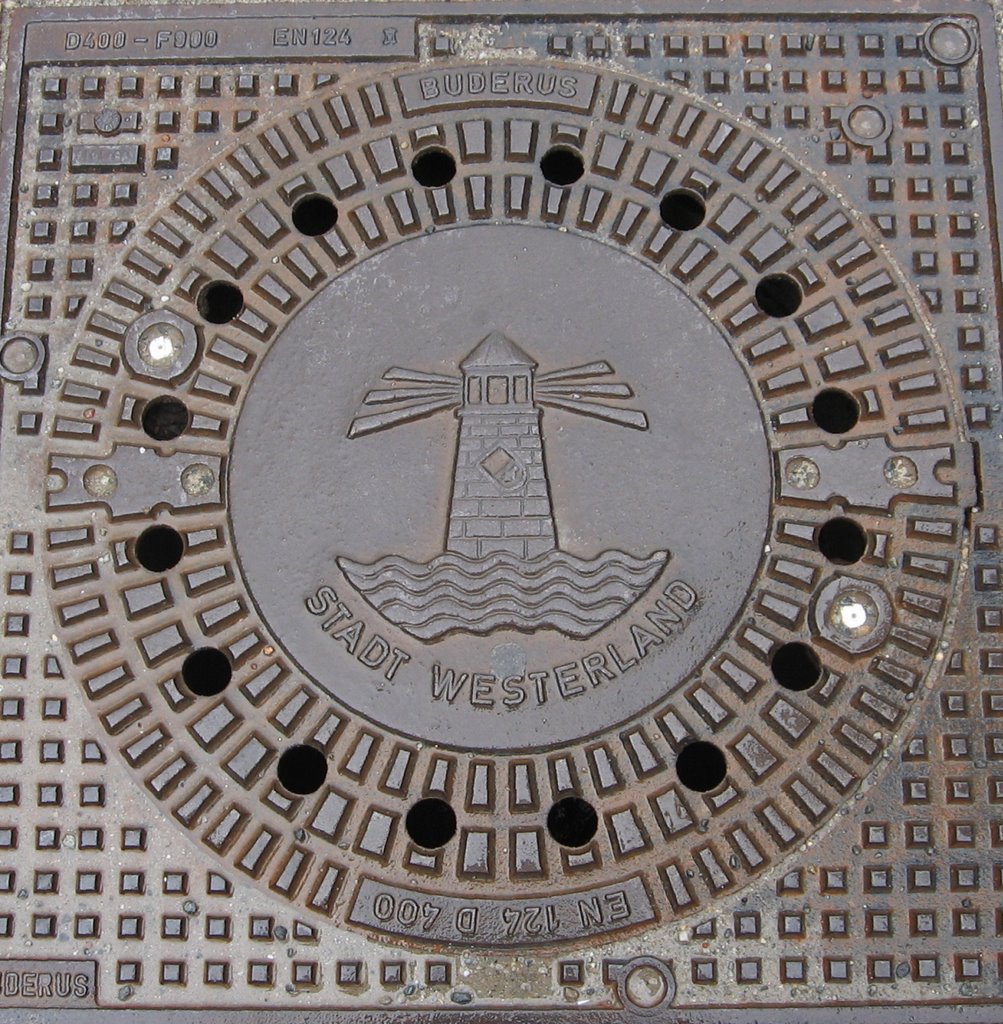 Manhole cover, Westerland
 Uncovered woman, Westerland
Outside of the immediate town centre the roads were full of traffic jams – amazing when you think everything on the island from vehicles to foodstuffs has to come across the Hindenburg Dam! The streets were boring, stretching away into the distance with flats, trading estates and sand dunes to either side. There are only two roads to speak of on the island. One stretches about eighteen kilometres north of Westerland with the sea on either side, the other does much the same in the opposite direction.
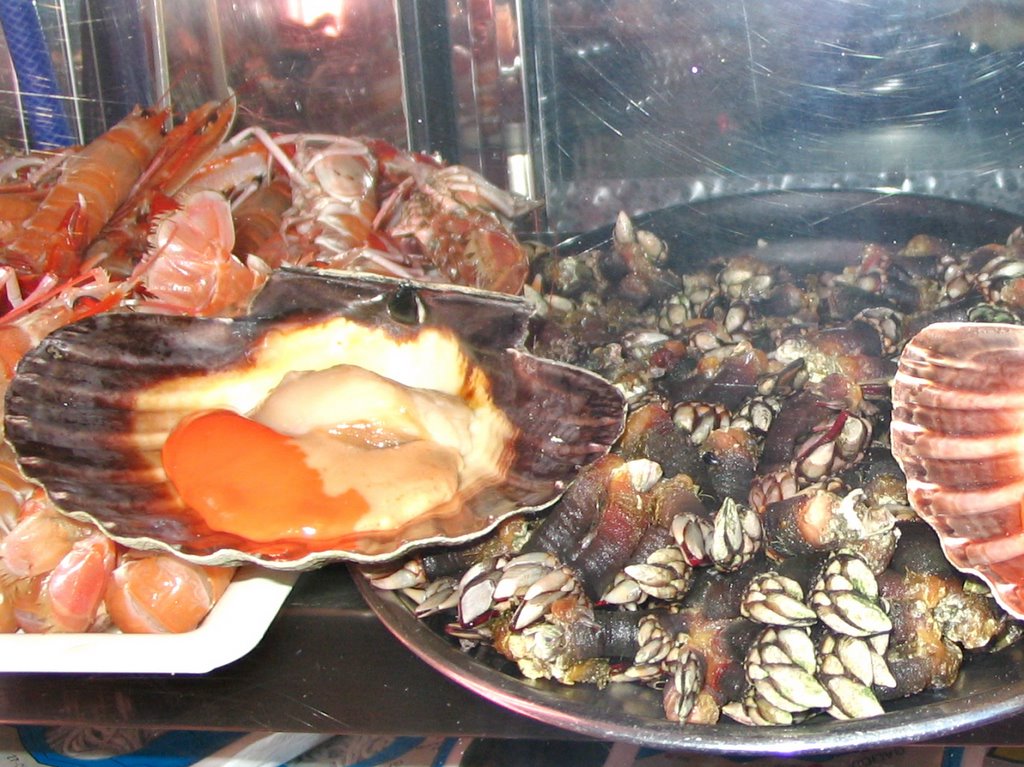
Near the station we found the number 1 bus about to depart to the north of the island. (Presumably the number 2 bus goes south but we didn't investigate!) Bored with Westerland we took a ride up the coast to List, almost at the furthest tip. From here a ferry leaves for the Danish island of Rømø, a short hop across the water. This area proved to be more interesting though is only a small port with several cafes and bars and a few tourist shops. We explored the port and some of the shops, particularly those selling fresh fish and foodstuffs. The most northerly fish shop in Germany is called Gosch. We were impressed and bought Bratherring rolls there for our picnic lunch. Gosch, they were nice! We recalled today that we had found the fish menus around the Mediterranean region not really to our taste, being either full of bones or like rubber bands in expensive sauce, or to be swallowed whole and raw. Here though, we have really enjoyed all the fish dishes we have tried and have actually been eager to appreciate all the different possibilities. For one thing we can see them displayed, already prepared and clearly labelled so we know what we will be getting, and they are very much cheaper than the expensive menus we have seen in southern Europe. North Sea fish is also something with which we are more familiar. A herring is a herring, a mackerel a mackerel and a sprat is exactly that. (We still shudder to recall the plate of Devil's dentures we saw in Santiago de Compostela and wonder what on earth they were!)
 Harbour at List
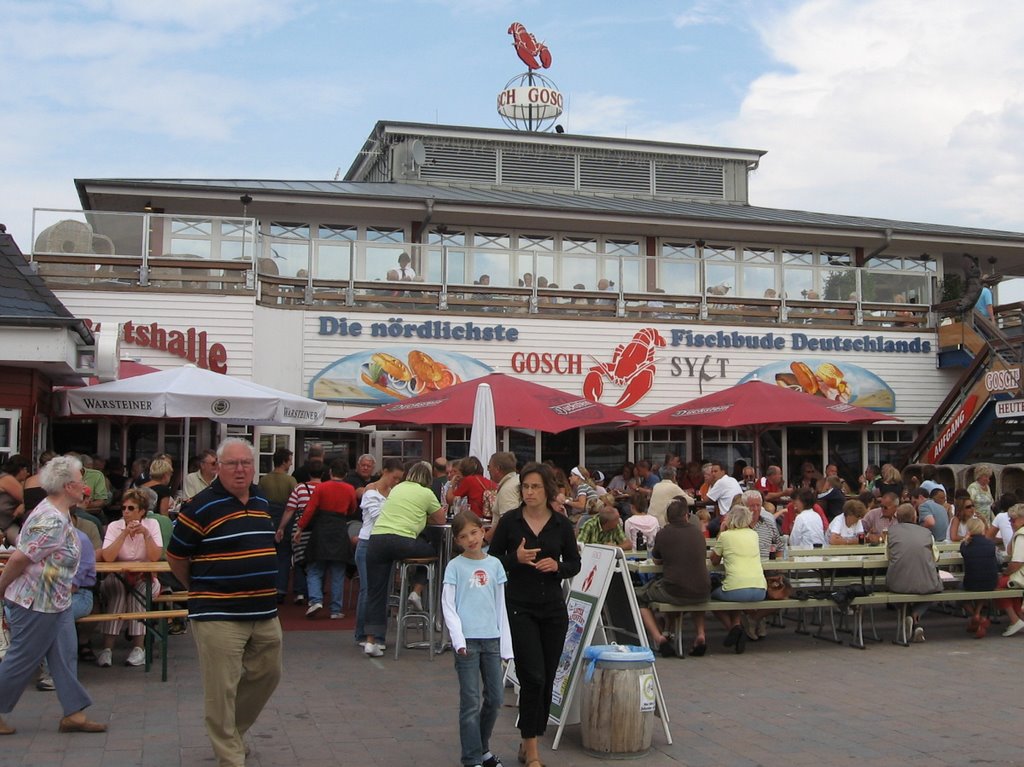 Most northerly fish restaurant in Germany, List
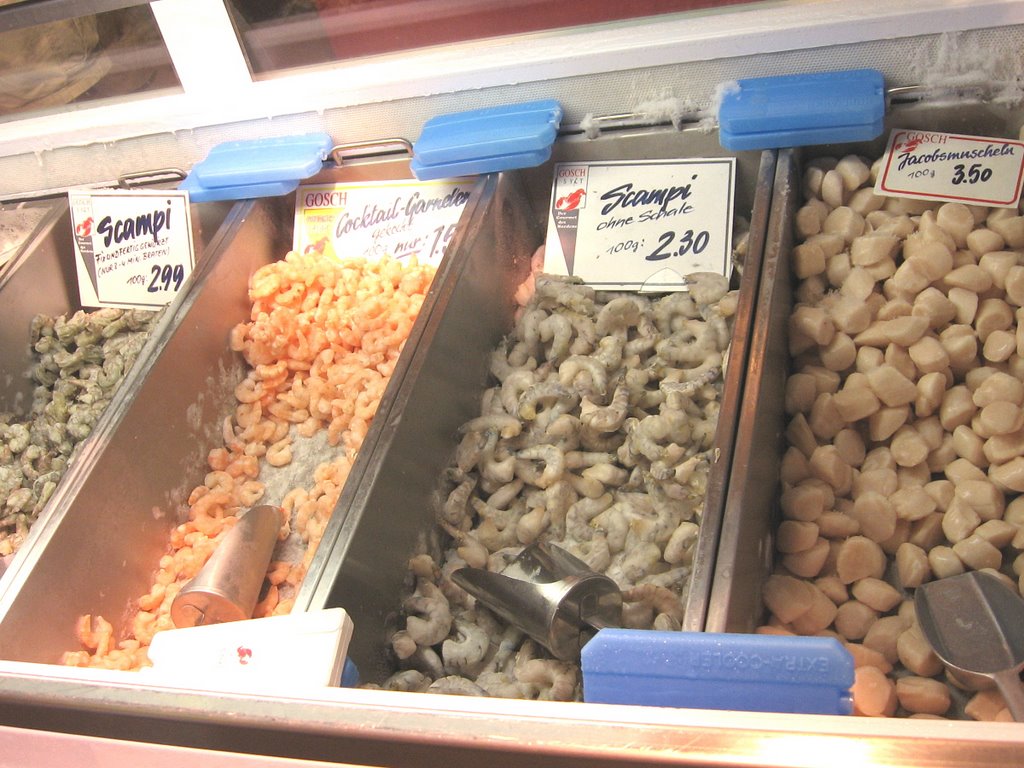 Friesian freezer, List
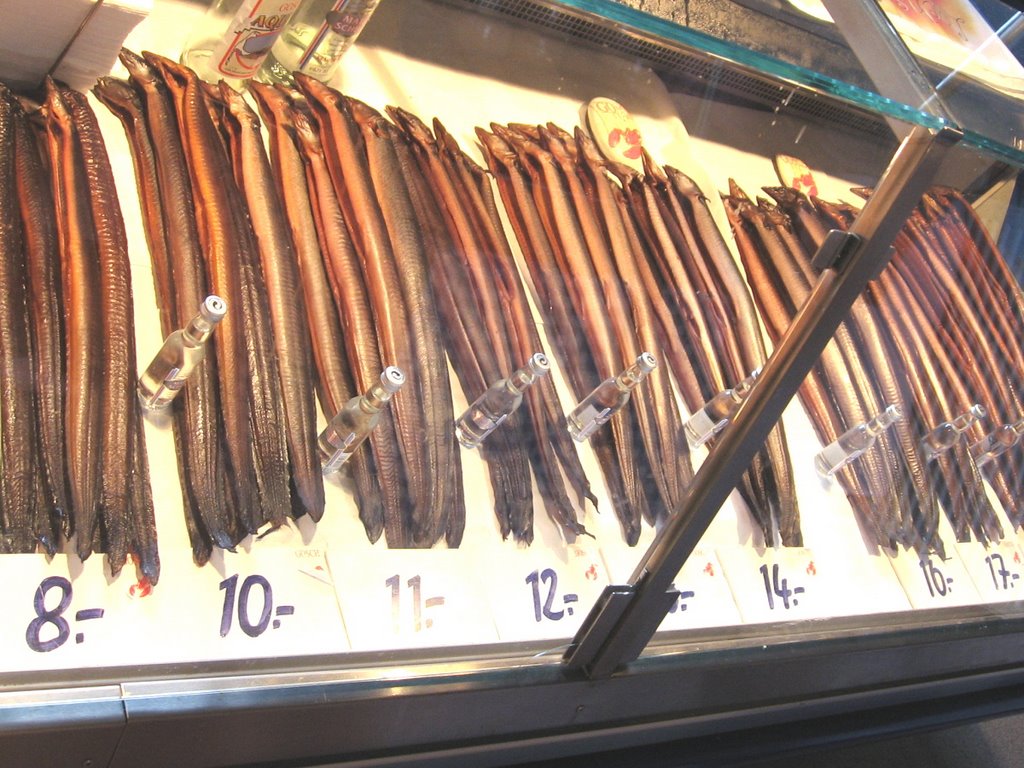 Smoked eels – sold by length, List
  Smoked fish, List
 At List the sun was really hot one moment and the wind and rain came sweeping in the next, only to disappear just as suddenly. It didn't take long to exhaust the possibilities on offer on the northern point of this landspit so we returned down the island to Westerland and caught the train one station back towards Niebüll to the village of Keitum. This used to be the historic "capital" of Sylt before Westerland developed as a seaside tourist resort. Here the houses were all in traditional style with reed thatched roofs, brick walls and pretty gardens. They were rather like those we had seen on Föhr but not quite so picturesque. Incidentally, we have learnt that while the buildings are traditionally reed covered, because the drainage of the Koogs has been so effective, reeds are no longer found here in sufficient quantities for thatching. Now the reeds are imported from the Hungarian Pusta, probably the very Hortobagy region we crossed in the torrential rain with the permanent chorus of frogs!
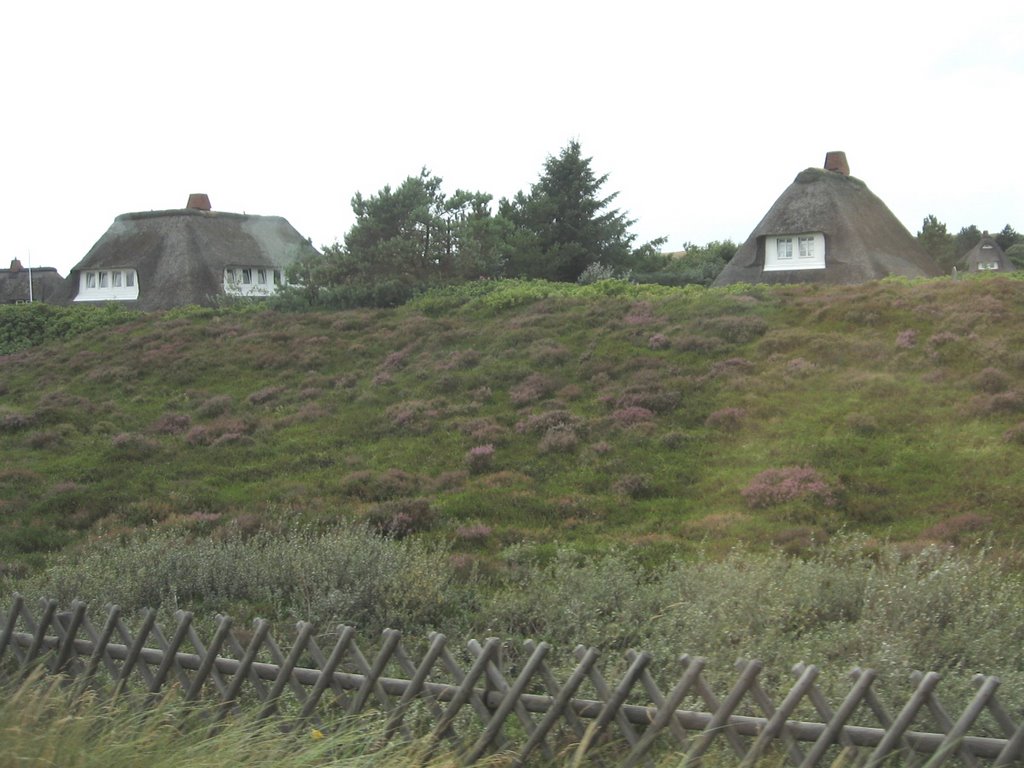 Reed covered cottages amongst the sand dunes near List
 As we strolled around the village streets we could hear a very plummy British commentary from a loud speaker system at the polo ground on the far side of the railway track. Apparently Germany and Switzerland were locked in mortal polo combat but why the commentary needed to be in English we do not know. Fortunately the result was a tie which was a jolly good show all round what what!
Suddenly our friend the Rain discovered exactly where we were and spent the next ten minutes boisterously soaking us and eagerly accompanied us back to the station. Here the train was running thirty minutes late. British Rail is not the only one to have delays. Being single track for much of the route delays are almost inevitable. Nobody seemed too bothered and the girl waiting to board the train to sell refreshments had very little left by the time it arrived. Delayed travellers, crowded together on the platform seeking warmth and shelter from the rain, had consumed her Kuchen and emptied her Teekännchen!
Eventually though, we rejoined Modestine in Niebüll and retuned to our campsite here at Dagebüll. Rain followed gleefully behind and, making up for lost time, has spent most of the evening teeming down while we have been snug and comfortably warm inside Modestine. It has been an interesting day but unless Denmark is very different from here, there may not be enough to keep us happily occupied for the final month of our travels. We are in the process of rethinking our future plans.
Wednesday 2nd August 2006, Flensburg, Baltic Coast, Schleswig-Holstein
This evening finds us on a pleasant campsite within cycling distance of the town of Flensburg, still just within Germany on the eastern side of the Jutland Peninsula. We want to visit the town and in particular the museum as we were told by Frau Feddersen the other day that there are a number of paintings by Hans-Peter Feddersen on display there and one of the curators is a specialist in his works. We expected to arrive in time to visit the town during the day but it was evening by the time we arrived so instead we made straight for this campsite.
We left Dagebüll after breakfast but decided to use the internet in Niebüll before moving on as we still have rather a backblog to load and we needed to check ferry times for our return to England. By that time we decided we might as well get some wine and tins of food before we go into Denmark where we understand prices will be a lot higher. Then we thought we'd have lunch. Then we discovered the church was unlocked and went inside to explore. Then we decided we needed a coffee. Then we remembered a museum we intended visiting at Seebüll out on the polders, dedicated to the works of Emil Nolde. So that really was our day. We considered returning to Dagebüll again for the night but decided to press on to Flensburg and hope we could find a campsite when we arrived.
We really enjoyed the last few days in and around the little brick town of Niebüll. It is small enough to be friendly and relaxed but large enough to have everything you might need. It is also a pretty little town with attractive public gardens and quiet, tree-lined roads. Today we visited the simple brick Lutheran church, built in the 1730s.
Inside the walls are plain white and hung with several oil paintings including one of Luther himself. There is an impressive 17th century carved and painted pulpit with bible texts in Low German. There is also a painted altar piece flanked by carved angels. The pews and woodwork are painted in dove grey and pale green. There is an old, incised granite baptismal font and nearby a huge cross flanked by carved wooden figures.
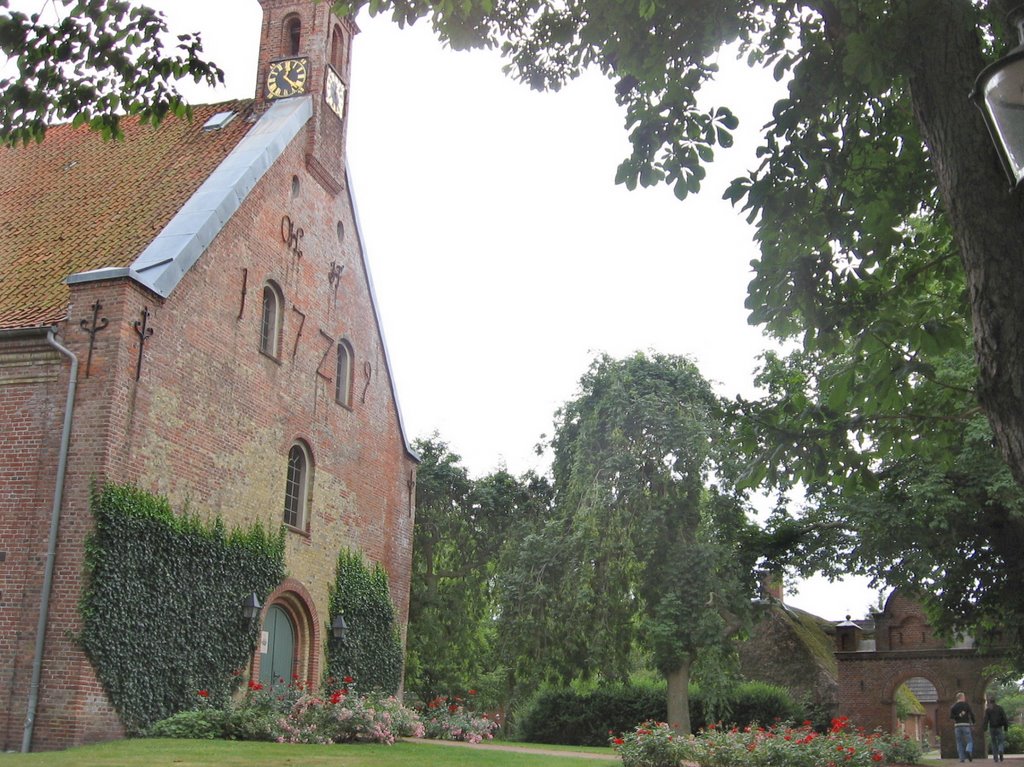 Lutheran Church at Niebüll
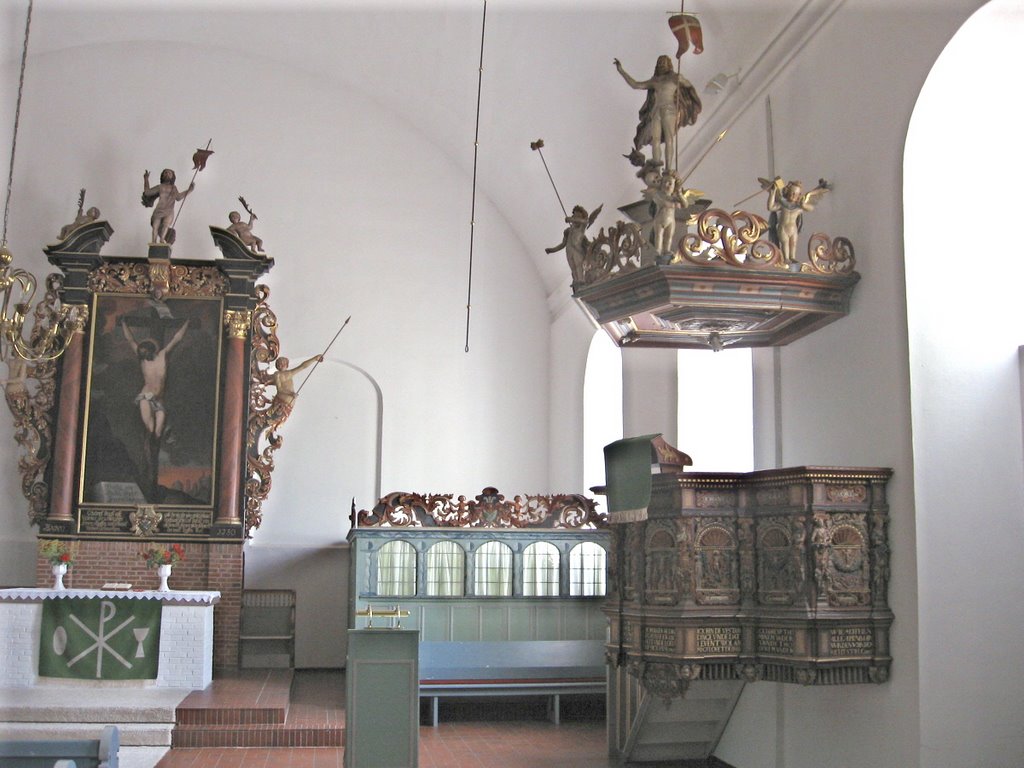 Looking towards the altar and pulpit in the Church at Niebüll
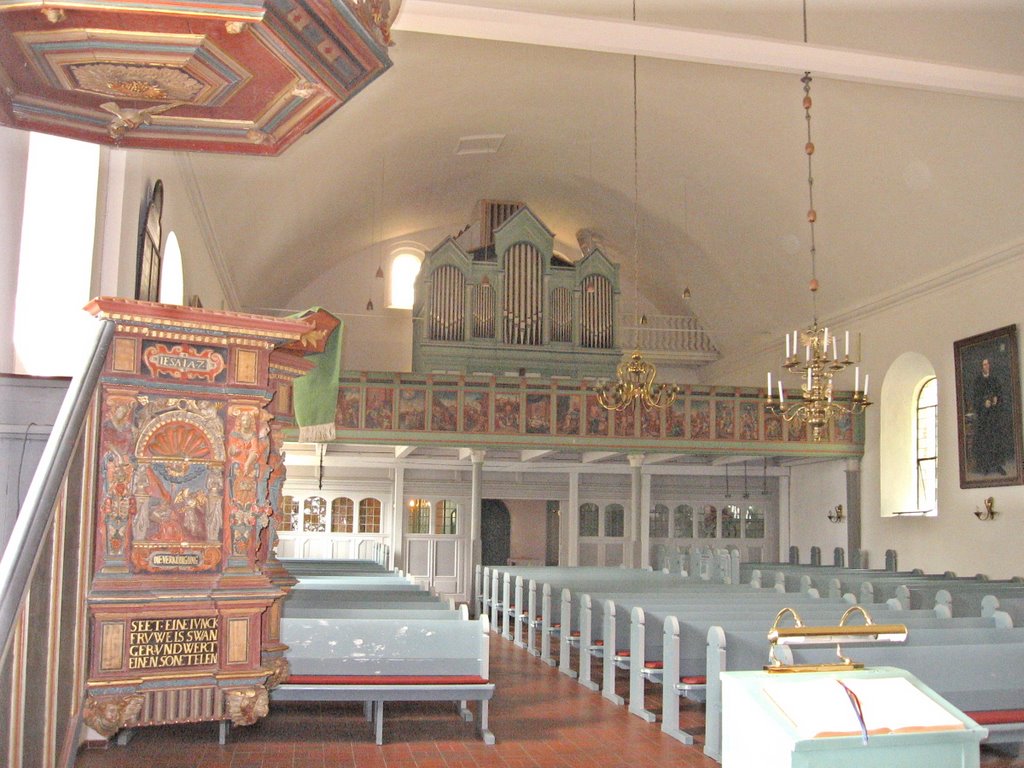 From the Altar looking to the back of the Church at Niebüll
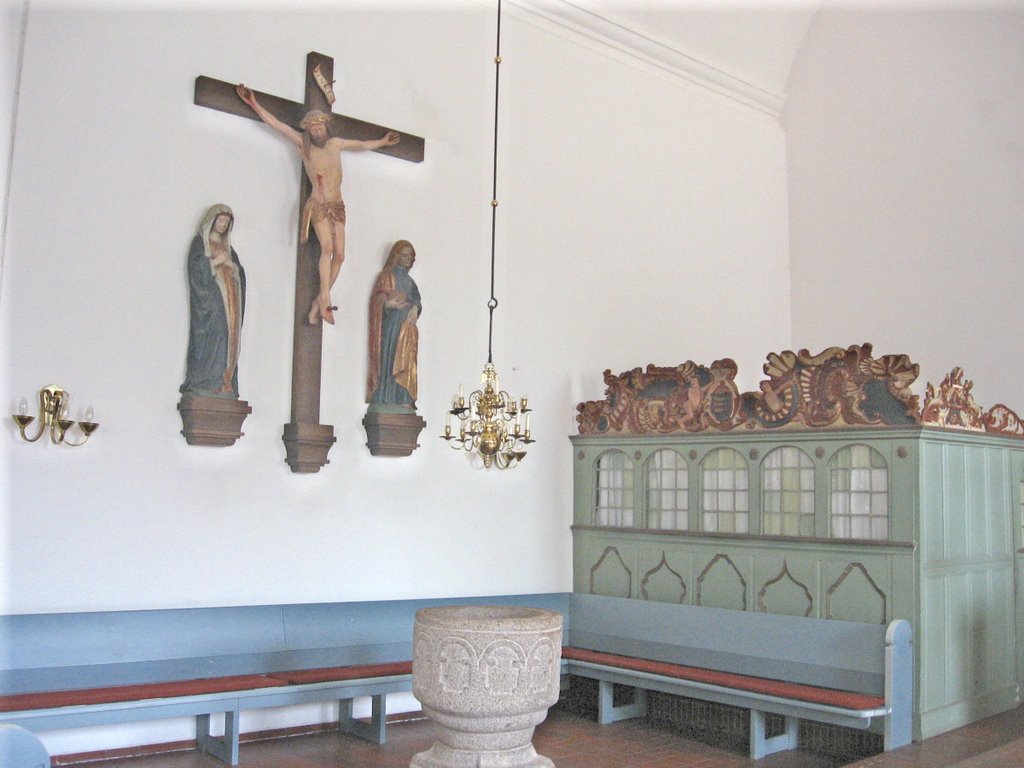 Font and Crucifixion in the church at Niebüll
 Carved and painted pews dated 1730 in the church at Niebüll
 Wooden pulpit with Low German inscriptions in the church at Niebüll
We were taken aback to discover here the original of one of the paintings we had been admiring in the book we were given about the artist Hans Peter Feddersen. Called "The return of the prodigal son" it hangs in the local church rather than one of the museums or private collections of his works. We felt quite excited to have seen it. It was only chance we went into the church and only chance too that we recognised the painting for what it was.
 The return of the prodigal son by Hans-Peter Feddersen, in the church at Niebüll
Hans-Peter Feddersen (1848–1941) was an older contemporary of the artist Emil Nolde (1867–1956). Both painted local scenes and landscapes but their painting styles were very different. Nolde became more and more expressionistic in the way he worked. We drove out along little lanes right up to the Danish border - he was in fact born over the border but settled at Seebüll in Germany in a house built to his own design during the 1920s, set remotely amidst the polders where cattle graze under dramatic skies.
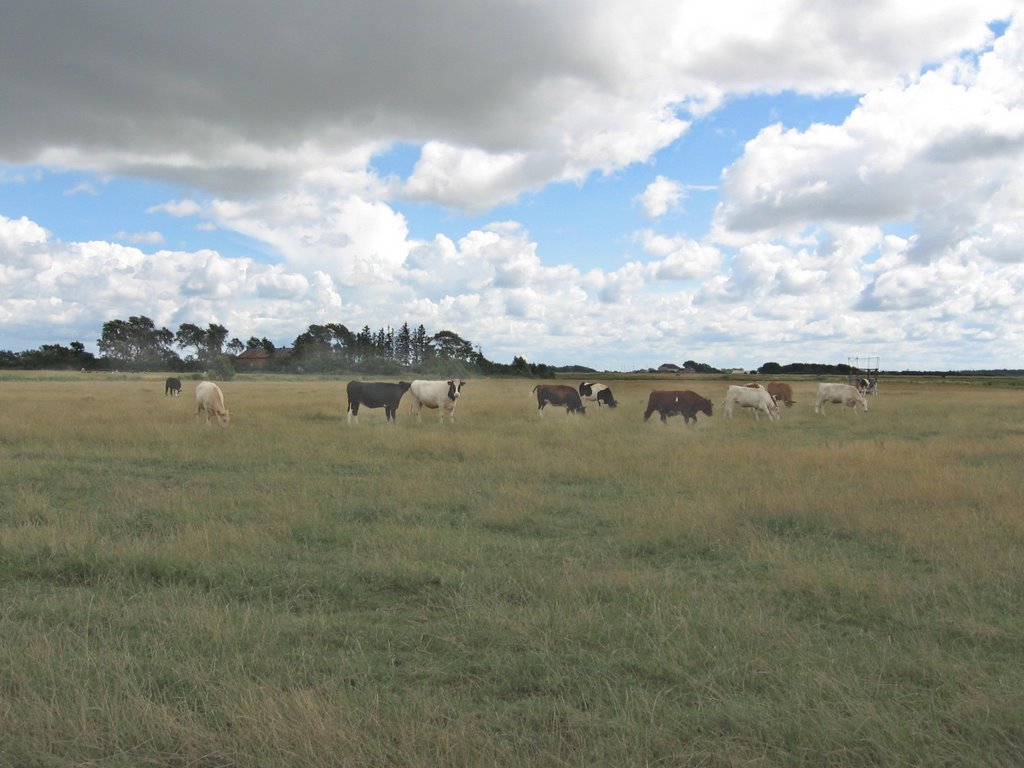 Cattle grazing under dramatic skies near Seebüll
 Emil Nolde's house seen from the garden, Seebüll
 Emil Nolde's garden house, Seebüll
He had the double-edged recognition of being included in the notorious Entartete Kunst (Degenerate Art) exhibition in 1937. During the war his works were banned by the Nazis and many paintings confiscated. He was however a prolific artist and spent the war years secretly working on smaller water colours for himself. These now form the basis of the exhibition. We expected to be the only people around, not realising how widely appreciated he was. When we arrived at his gallery and studio it was crowded with art enthusiasts from both sides of the border, many arriving in coach loads. The house had been his home, where he worked, lived and died. Now it displays a selection of his paintings, woodcuts and engravings.
We were impressed by his works and particularly by his vivid use of colour. Earlier works were more traditional portraits and local scenes but soon colour took precedence over form and they became increasingly expressionistic, often with an emotionally charged harshness. Apparently, according to Frau Feddersen, Hans-Peter Feddersen did not fully sympathise with the work of Nolde, asking him once why he chose to work as if he didn't know how to paint when all the time he was a first rate painter! Downstairs his original studio had been given over to his canvases of self portraits and religious paintings. The latter were particularly interesting being in wonderfully bright and frequently unexpected colours, bold splodges of colour that almost naively conveyed scenes from the life of Christ. The painting of the Holy Family was one of the gaudiest and most cheerful nativity scenes we have seen. Even today when we have become used to using colour and form in so many different ways it makes a very pleasurable impact. Regrettably we cannot show any photos of his works but try the Nolde Stiftung website.
Outside we wandered in his garden, beautifully maintained and, like his paintings, bright with vivid colours as dahlias, golden rod, climbing roses and nasturtiums jostled for space and gentle bees droned amongst them, their legs heavy with pollen.
If we were to make it to Flensburg before dusk we'd best get going. It was around 50 kilometres along a straight dyke that ran almost along the frontier between Germany and Denmark. The route was generally quiet but badly potholed. It seems strange that it is the routes along borders that tend to be neglected. It was the same on the German/Polish border. This campsite is at a useful crossing point between Germany and Denmark and many of the people staying here are Danish. They sound a remarkably boisterous lot with rather loud voices. It still sounds very strange to our ears but over the next couple of weeks we should get used to it even if we cannot understand it. All the signs on the campsite are in German and Danish. As Jill still finds it rather a struggle with German she's hoping she won't end up having to cope in Danish!
Thursday 3rd August 2006, Flensburg, Baltic Coast, Schleswig-Holstein
What do you think of when Denmark is mentioned? Bacon, open sandwiches, raw herrings, modern furniture, pastries, fairy tales and of course Lego. This was Jill's list. When she asked Ian for additional suggestions he immediately responded with "blonde naked ladies in the sand dunes."
This morning we cycled from the campsite the four kilometres into Flensburg where we have spent the entire day - and a very pleasant, if exhausting one it has been. It is a town of 87,000 inhabitants and the old centre stretches out along one main street with little courtyards off to either side. Formerly these were stores and warehouses for the port which lies on the fiord, parallel to the main street. Now these courtyards are full of flowers, craft shops and sunny cafés. Although we are still in Germany there is a definite feel that we are on the edge of Scandinavia here. Ian has purchased a German-Danish phrase book which he is eagerly studying. Danish seems rather like a mixture of German and English with several new diacriticals. So long as we say "Tak" and "Skål" a lot we should be okay.
 Courtyard off the main street, Flensburg
In the 18th century Flensburg was an important trading port, particularly for the ships from the West Indies fleet. They would return here with cargoes of rum which were distilled and refined in the town. It is still famous for its distilleries today.
We started our tour of the town exploring the flea market where we bought a wooden budgerigar. No, we don't really know why either. He looked rather sorry for himself on the junk stall and we decided to pay up to a euro for him. As the man on the stall said, it was a bargain as we never needed to feed him.
 Südermarkt, Flensburg
Further along the road we stopped to look in at a rum dealer's warehouse. Here we had glasses of rum slipped into our hands to try! What with that and the budgie on her shoulder Jill was beginning to feel like Long John Silver! The rum was very warming and made a change from a mid-morning coffee. We learnt all there must be to know about rum before we left. It has a history of being very popular with the Danish and the Norwegian fishermen who would drink it to give them courage before setting off to fish the North Sea.
 A rum business, Flensburg
The main street is a long pedestriansised area of shops and cafés at ground level but the upper floors of the properties reveal the history of the town as a prosperous trading port full of merchants' houses with elaborately carved doors and windows, ornate gables, statues and decorated brickwork.
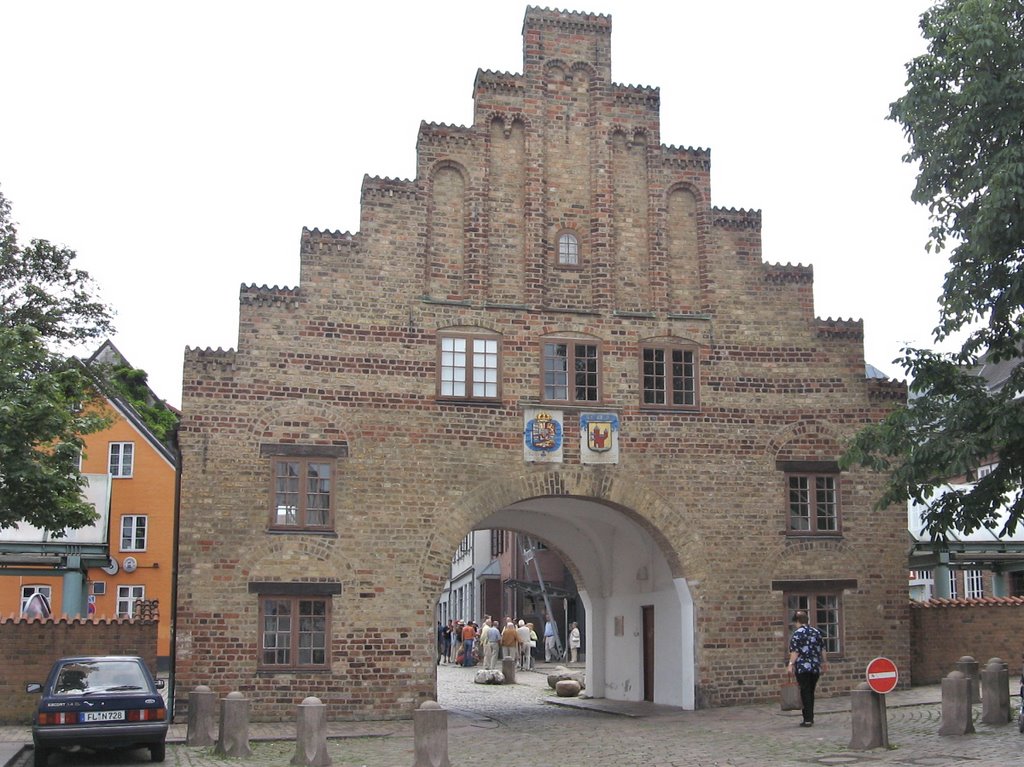 Nordertor, Flensburg
Down by the port we looked out across the fjord to the many sailing vessels and explored the old boatyard where in the past the wooden fishing boats were made. Now it seems to concentrate more on restoring some of the older boats rather than building new ones. It is though a very interesting area to explore. Nearby is a museum on the history of boat building in Friesland.
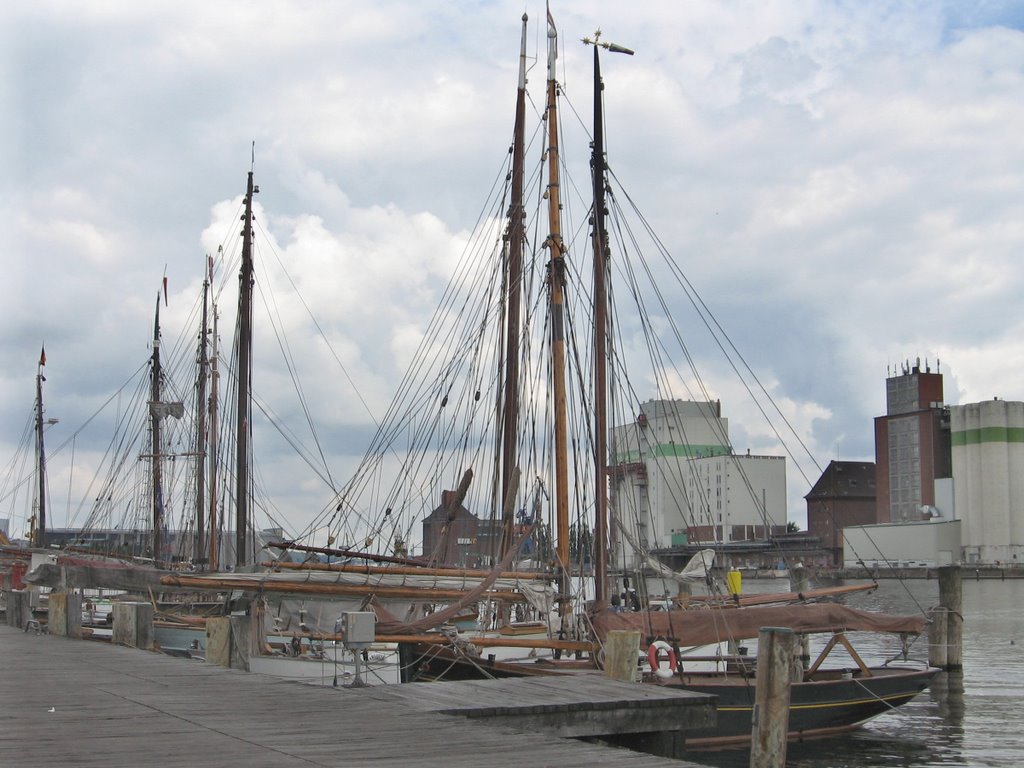 Sailing craft in the harbour, Flensburg
 Boat builder's yard, Flensburg
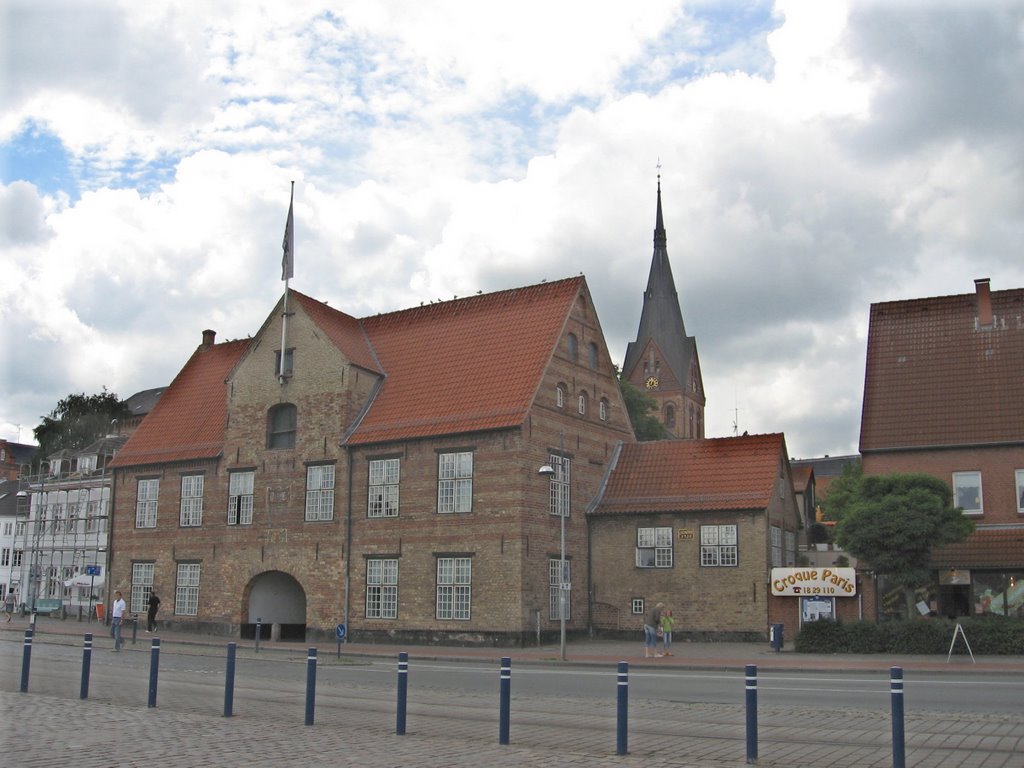 Kompagnietor, the guildhall of ship owners and merchants, built in 1602, Flensburg
The salt water around the boats was full of jellyfish. They have a wicked sting but look quite beautiful as they propel themselves through the dark water by pulsating their delicate, transparent umbrella shape, their tendrils flowing out behind. Later in the museum we learned something of their life cycle. They are strange organisms. At this time of year the waters here are quite infested with them.
 Jellyfish in the harbour, Flensburg
For lunch we went to a cheap Chinese restaurant for bean sprouts and noodles with duck and a bottle of Chinese beer. It wasn't what we expected to be doing but made a nice change from our practice of always trying out the local dishes. It seemed strange to be ordering a dish from the Chinese waitress in German on the border of Denmark, but the cosmopolitan mix is all part of the joy of travelling around Europe like this.
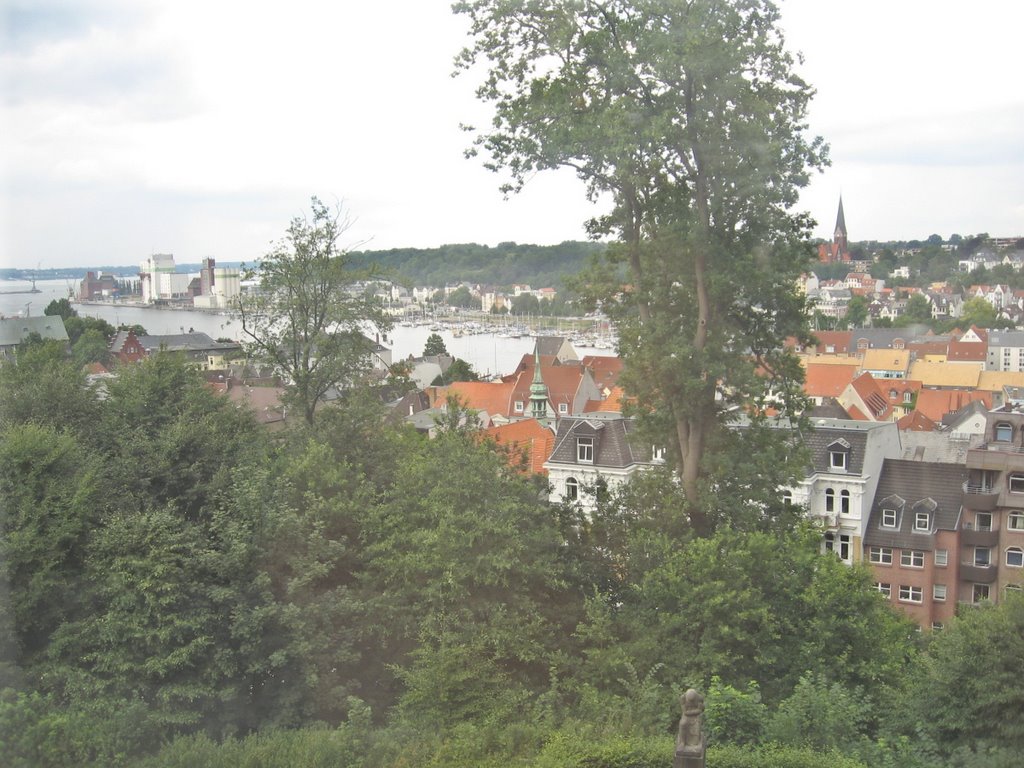 Flensburg seen from the museum
The afternoon was spent in the museum and art gallery perched high above the town on the first hill we have seen for ages. Our reason for being here was to seek out some of the paintings by Hans-Peter Feddersen. There are several in the Flensburg museum and even a couple of miniatures by his father, who had the same name. We were fortunate to be able to photograph a few examples of their work.
 View near Deezbüll by Hans-Peter Feddersen, Flensburg Museum
 Another view near Deezbüll by Hans-Peter Feddersen, Flensburg Museum
 Dagebüll by Hans-Peter Feddersen, Flensburg Museum
 Italian scene by Hans-Peter Feddersen, Flensburg Museum
 Miniatures by Hans-Peter Feddersen the elder, Flensburg Museum
The museum also has a large collection of paintings by other North Frisian artists including several by Emil Nolde (even in the museum we were not allowed to photograph his works.) The open landscape and the clear light encouraged local artists during the nineteenth century and there seems to have been a proliferation of excellent works depicting the local landscape, peoples, buildings and interiors of that period. There is currently a large exhibition of paintings by Erich Heckel who produced many paintings of Flensburg and its surroundings. The exhibits have come from museums throughout Germany, in particular Berlin and Dresden. Like Nolde, Heckel was an expressionist painter making powerful use of colour in his works. He was part of the Brücke group of expressionists in the early 20th century.
For a change, and because it was included with our entry ticket, we pottered across from the art gallery to the museum. Here we found several more paintings by Feddersen but also an excellent local and natural history gallery with exhibits on the birds and animals of the area. Upstairs were recreations of rooms appropriately furnished to illustrate 17th and 18th century middle class Frisian houses complete with wood panelling, stone floors and huge, heavy, beautifully carved cupboards, tables, chairs and buffets.
By now we were rather weary so returned to our bikes, stopping only to retrieve a rubik cube being thrown out as unsellable junk by the stall holder we had purchased our budgie from. No doubt it too would have ended up in the rubbish skip if we'd not bought it earlier! We cycled back to the campsite to discover it had been pouring with rain here and the washing we'd left out to dry this morning was still soaking wet. We'll have to pack it into a bucket tomorrow morning and dry it off in Denmark.


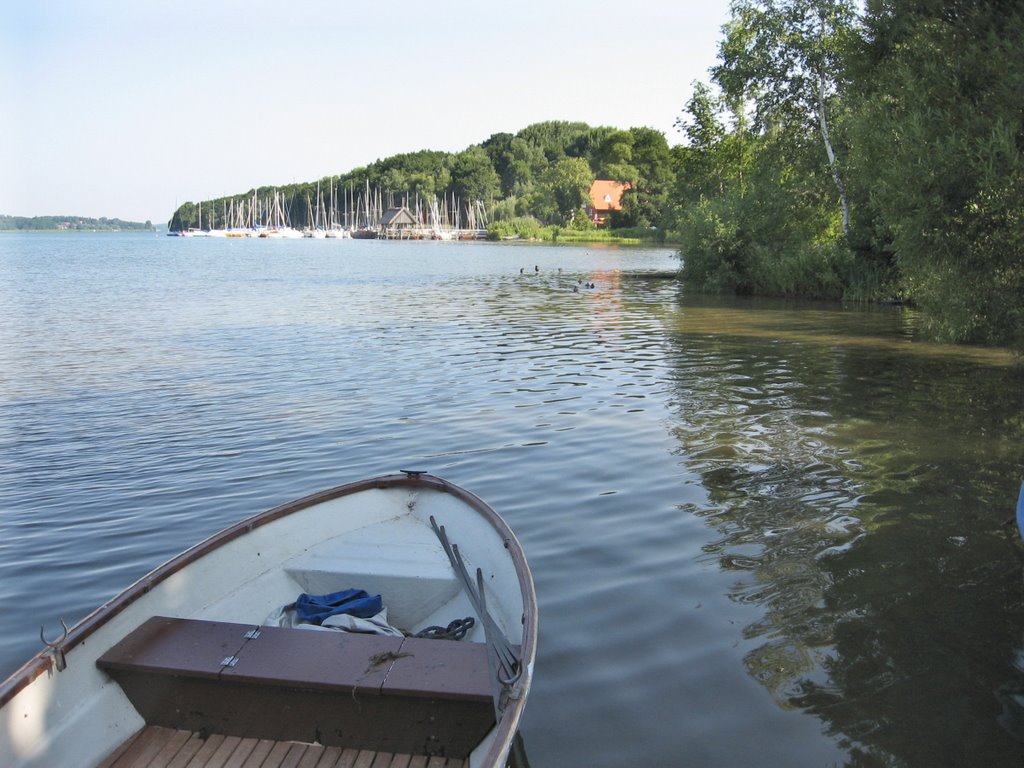 Ratzeburger See Römnitz
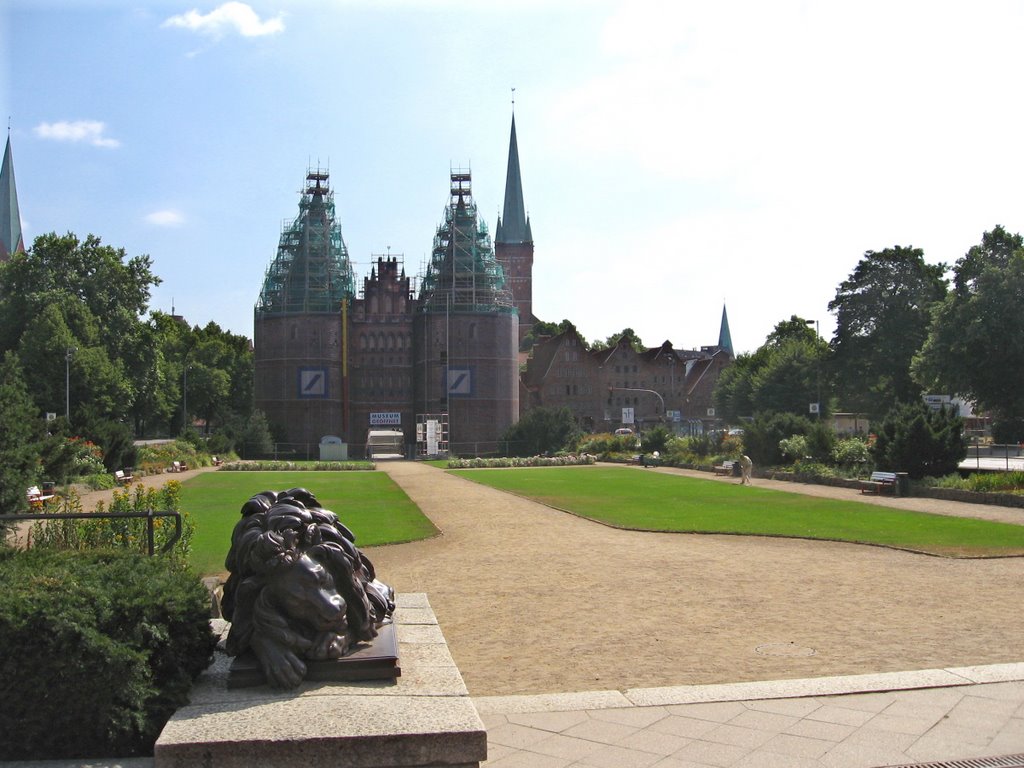 Holstentor under restoration, Lübeck
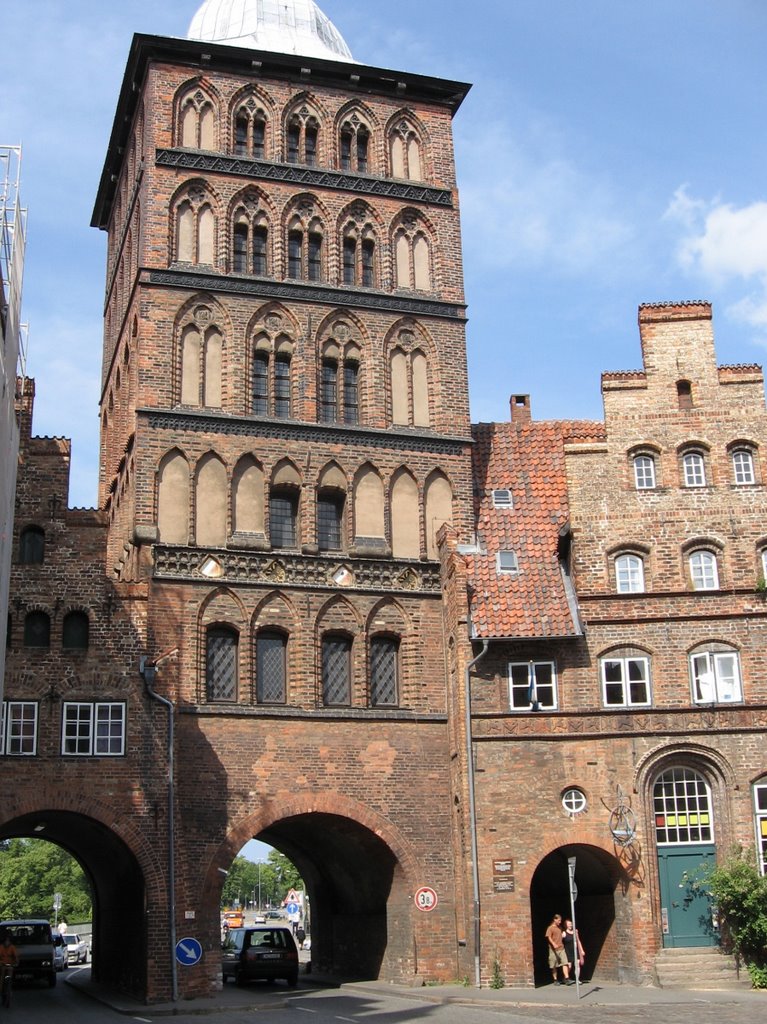 Burgtor, Lübeck
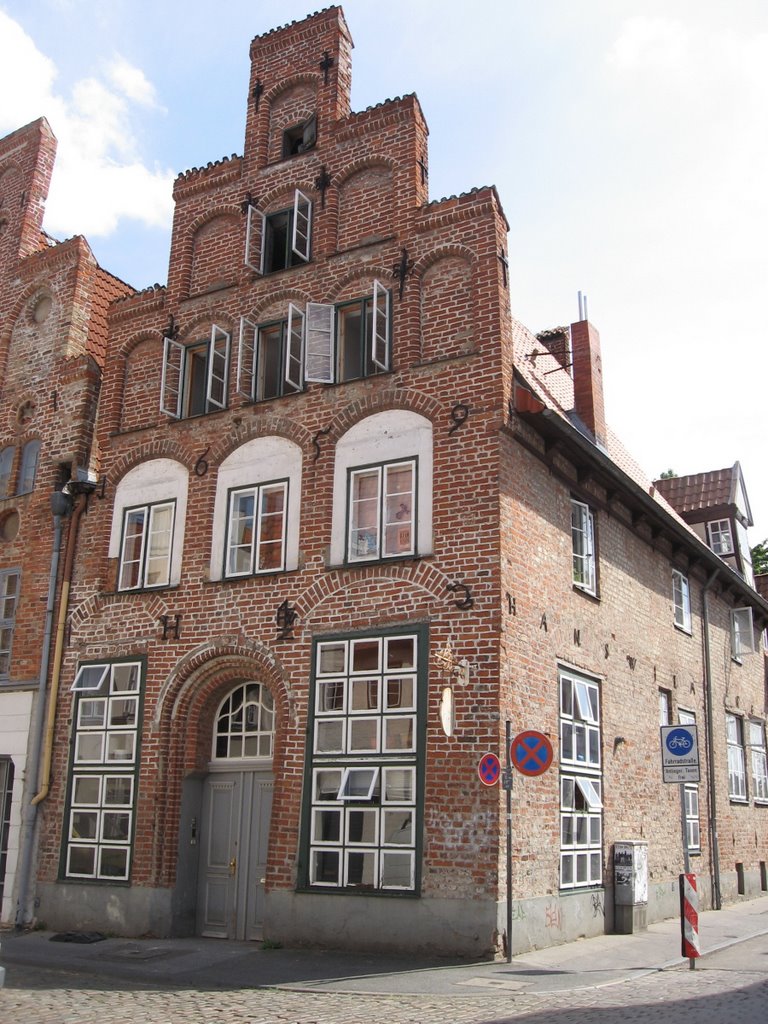 House in Rosengarten, Lübeck
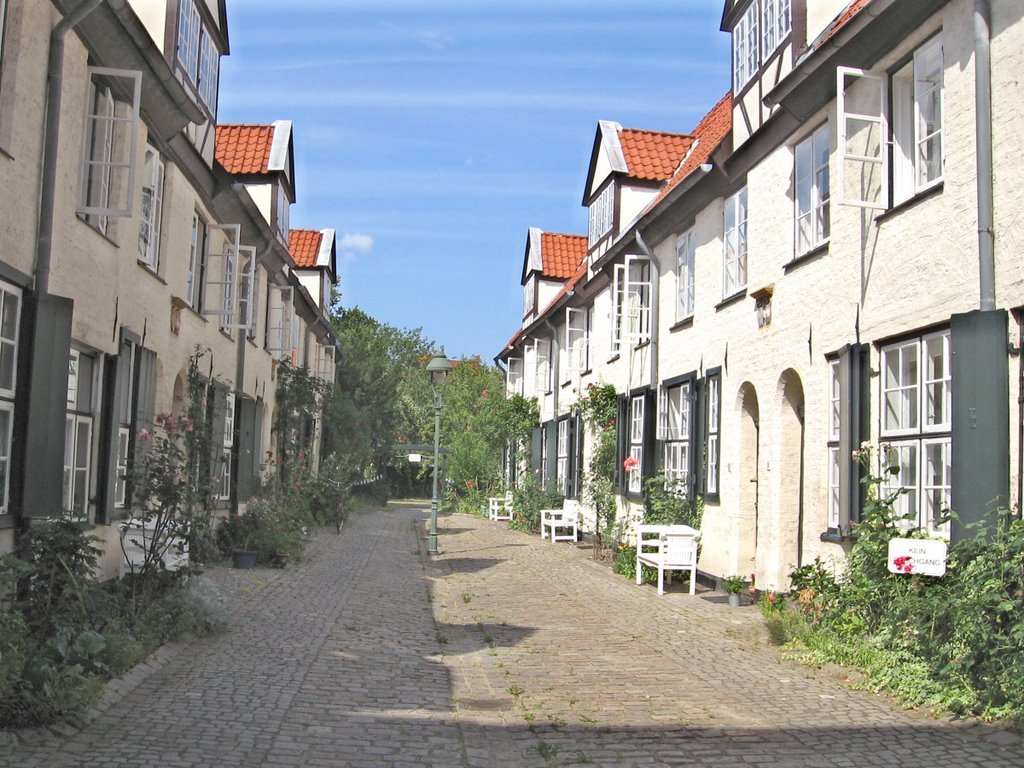 Glandorpsgang almshouses, Lübeck
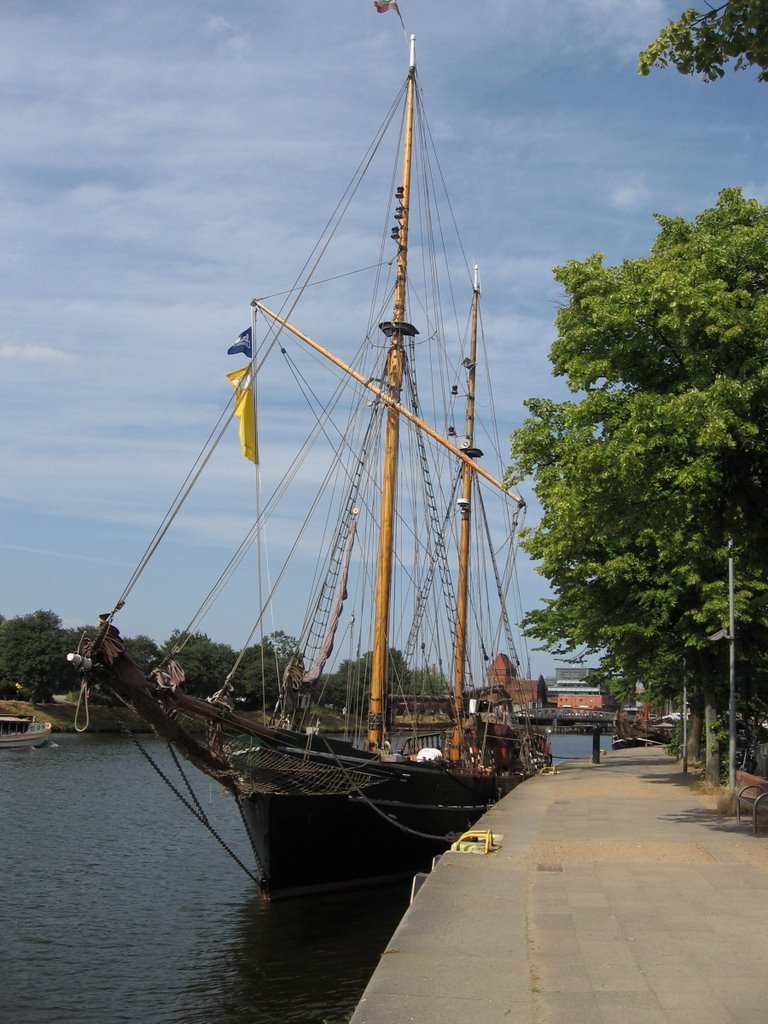 Historic port, Lübeck
 Street leading to St. Aegidien's Church, Lübeck
 Grosse Petersgrube, Lübeck
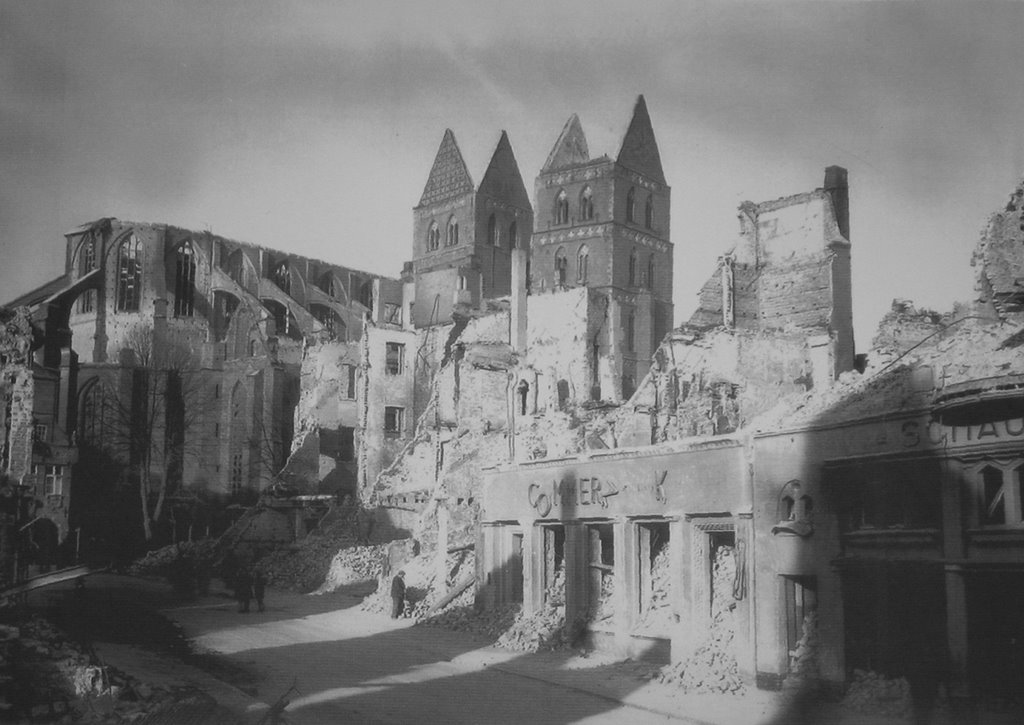 St. Mary's Church, Lübeck, 1942
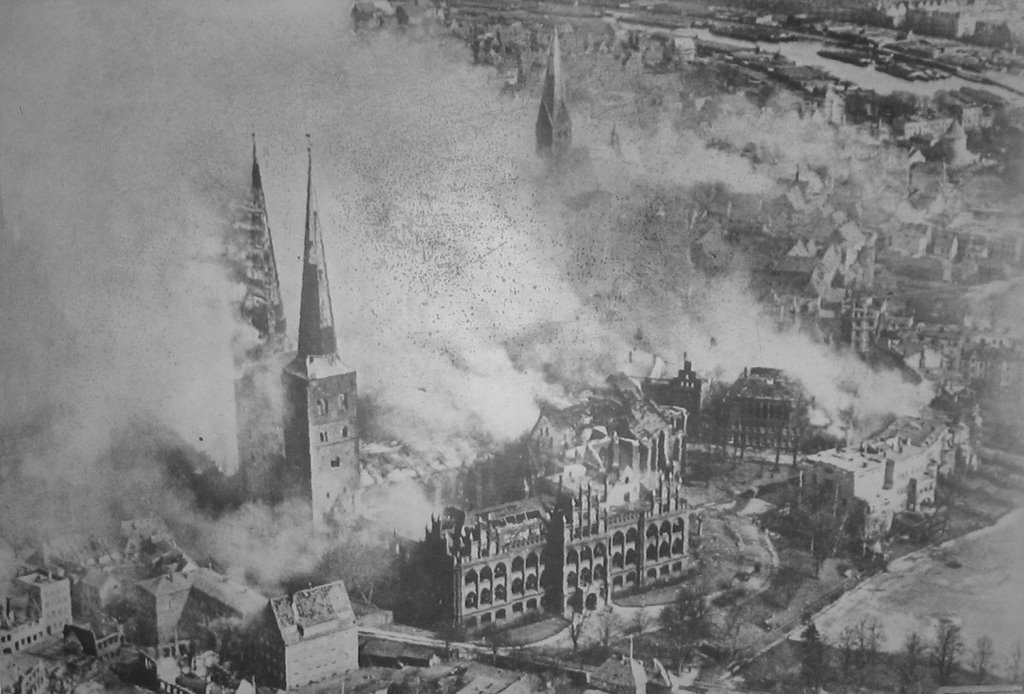 Cathedral, Lübeck, 1942
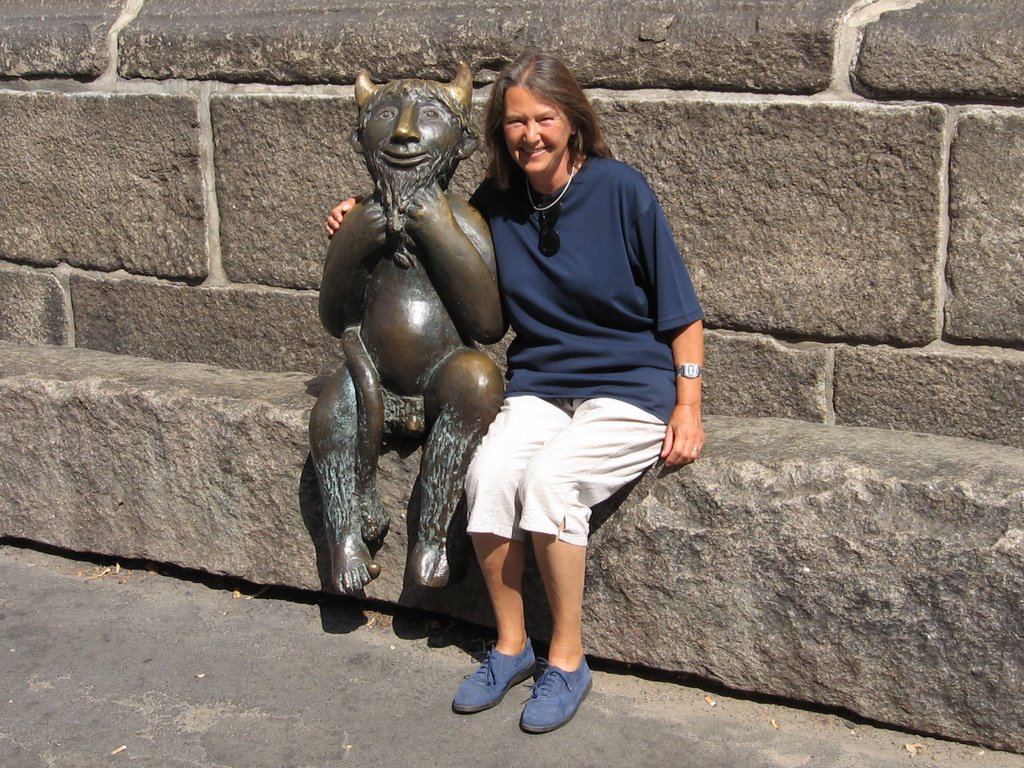 Friends reunited, outside St. Mary's Church, Lübeck
 Nave, St. Mary's Church, Lübeck
 Astronomical clock, St. Mary's Church, Lübeck
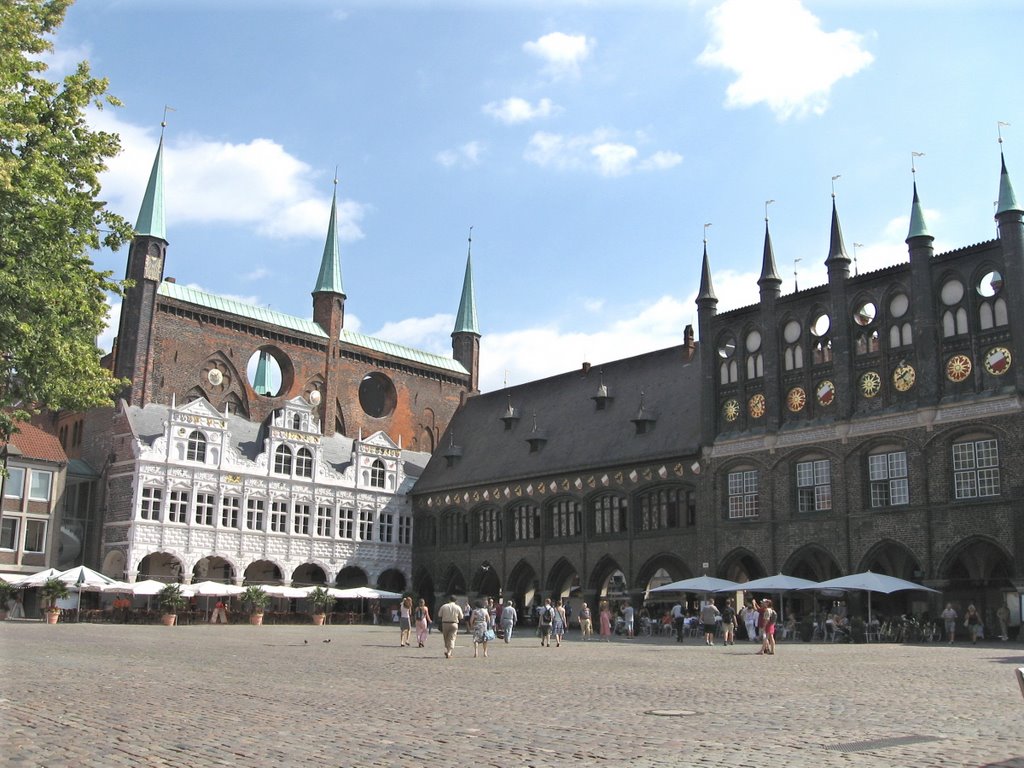 Town Hall from the Market Square, Lübeck
 Town Hall from Breite Strasse, Lübeck
 Audience room in the Town Hall, Lübeck
 Stairway with historic murals in the Town Hall, Lübeck
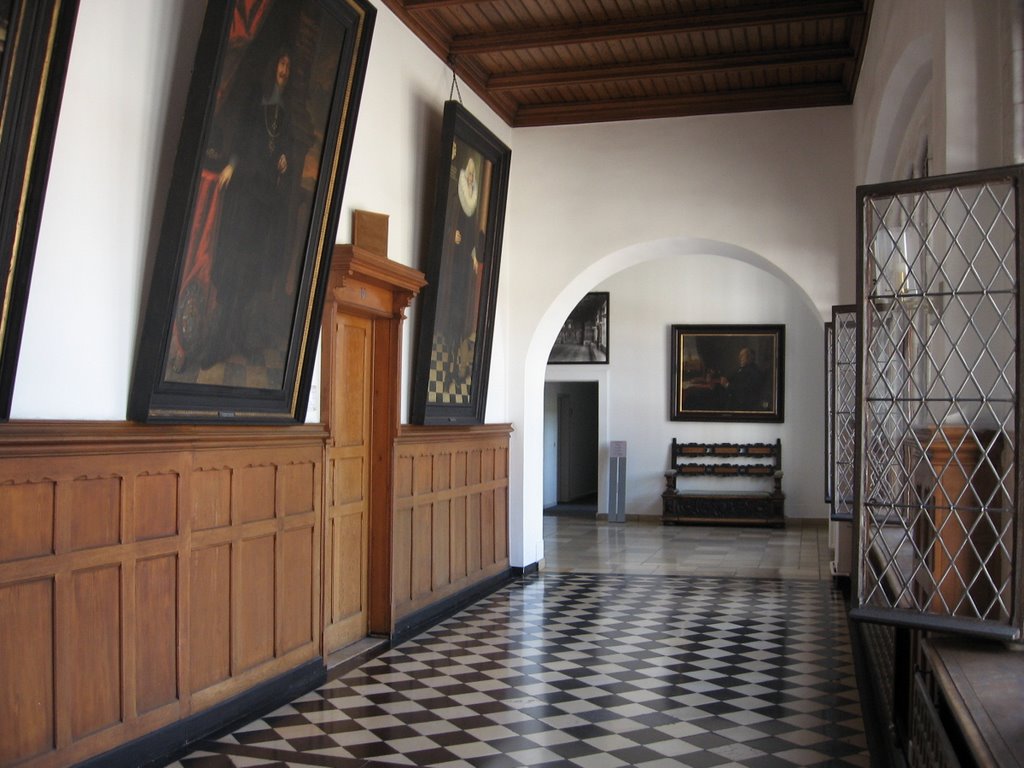 Corridor with mayoral portraits in the Town Hall, Lübeck
 Heiligen Geist Hospital, Lübeck
 Heiligen Geist Hospital, Lübeck
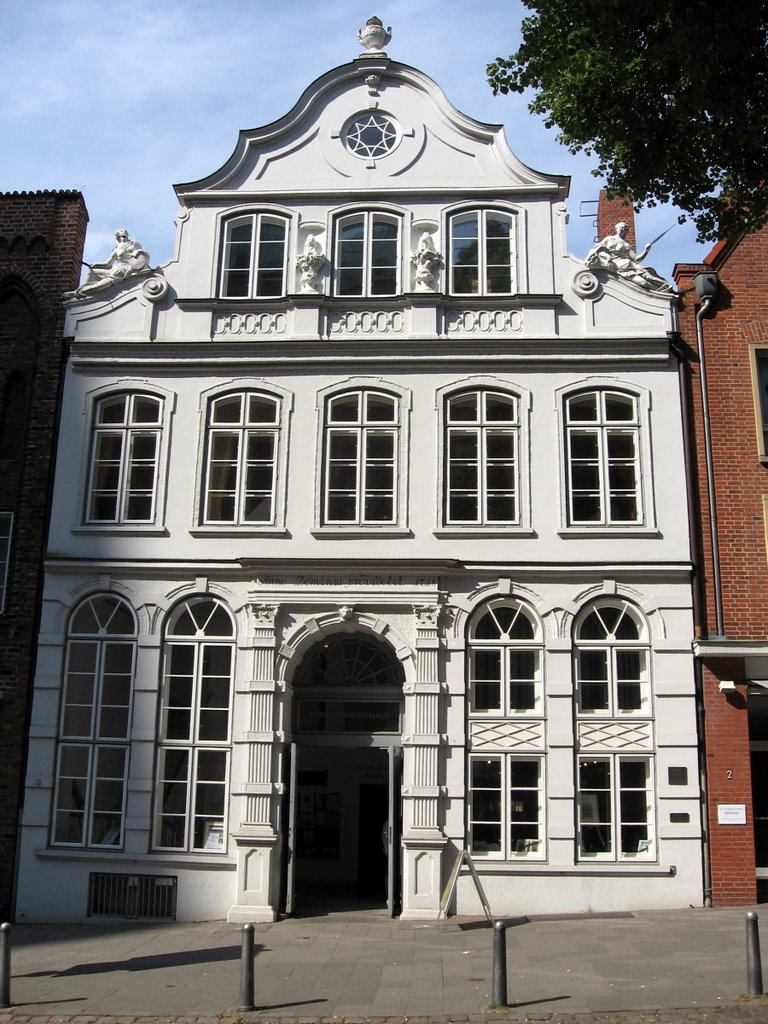 Buddenbrooks House, Lübeck
 Cathedral with Zeughaus in front, Lübeck
 Cathedral seen across the lake, Ratzeburg
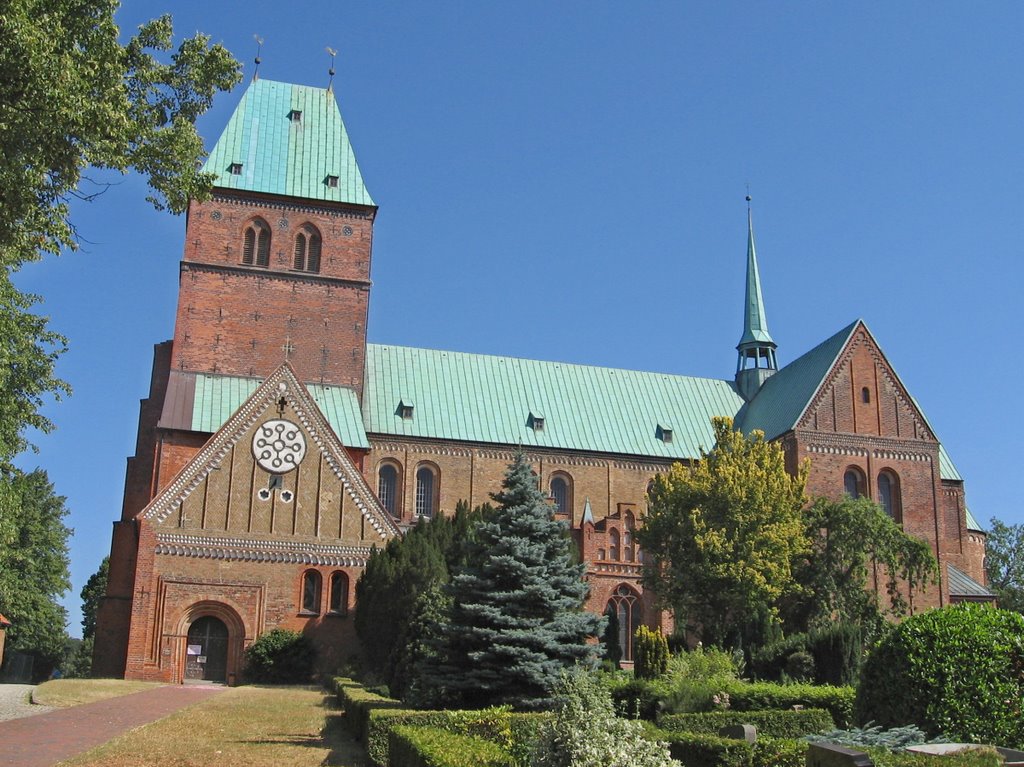 12th century cathedral, Ratzeburg
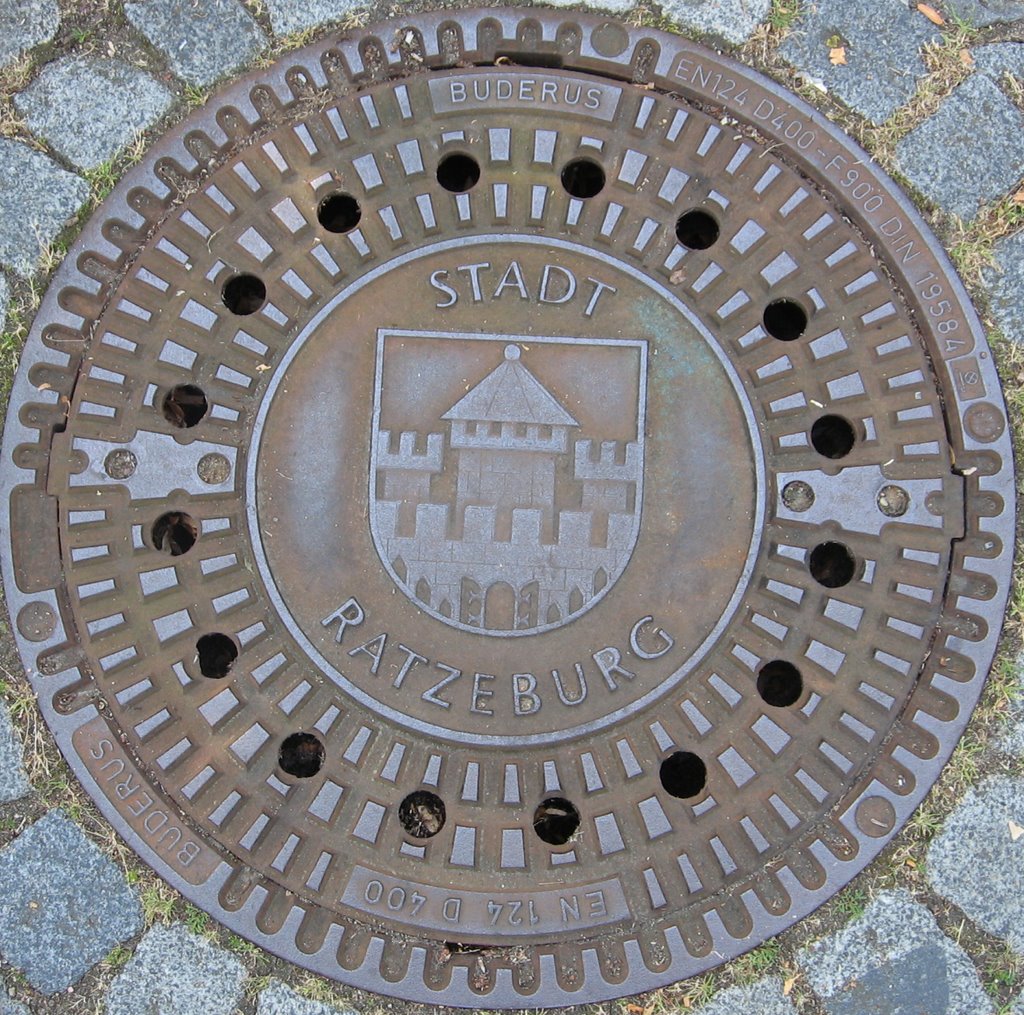 Manhole cover, Ratzeburg
 The former farmhouse where Ian stayed, Tremsbüttel
 Thatched brick cottage with herb garden, Tremsbüttel
 Castle, Tremsbüttel
 Castle interior, Tremsbüttel
 Castle interior, upstairs landing, Tremsbüttel
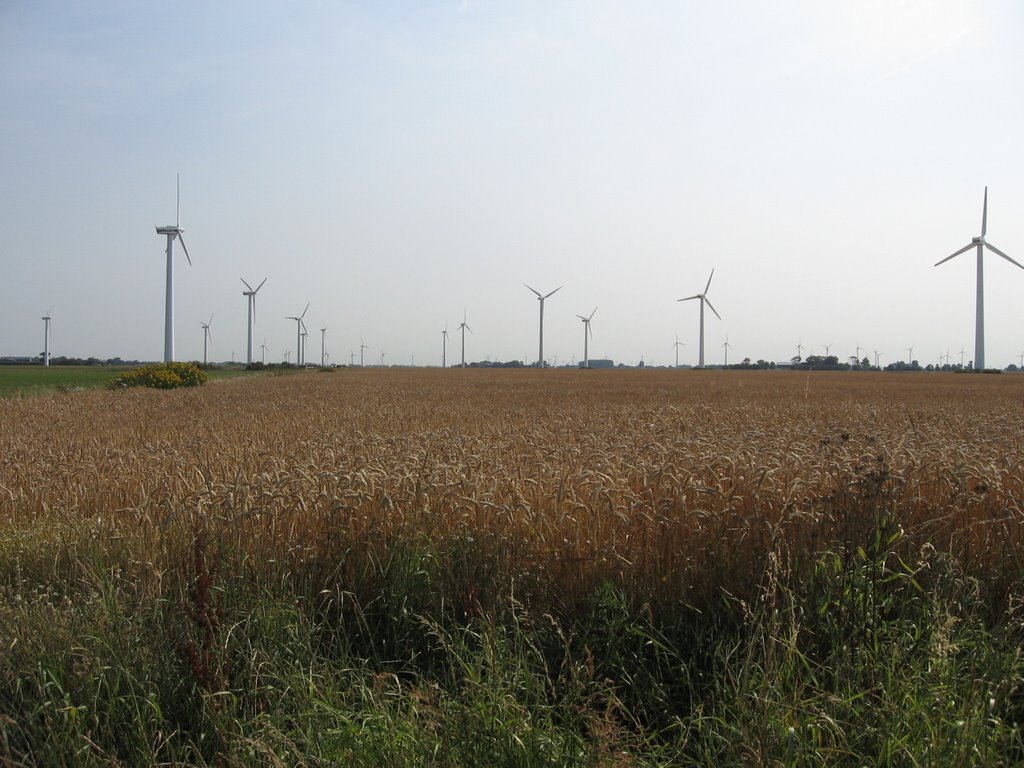 Wind turbines near Büsum
 Our first view of the North Sea, Büsum
 Who says the Germans always get the best places by the sea? Büsum
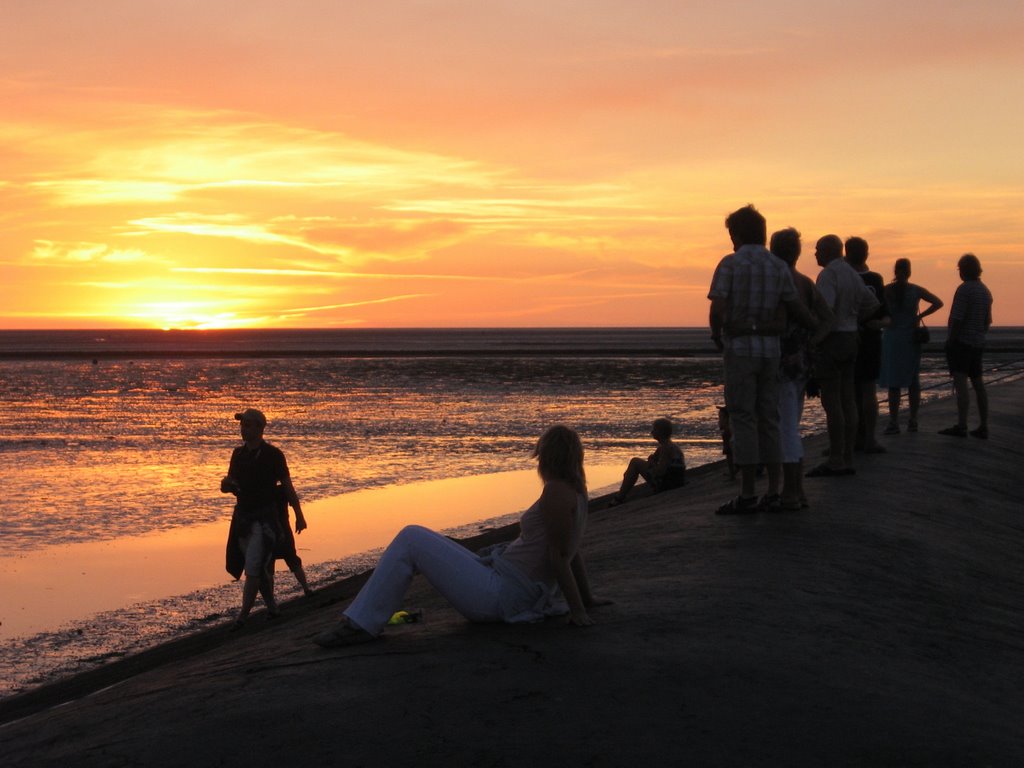 Watching the sun go down, Büsum
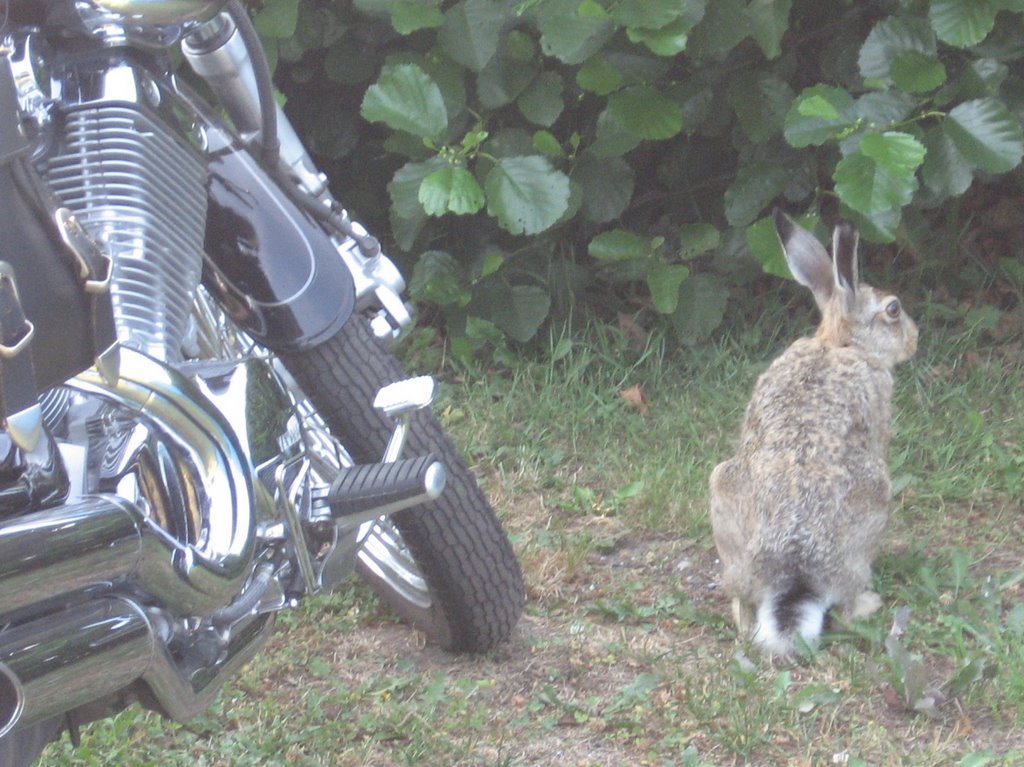 Hare today, Büsum
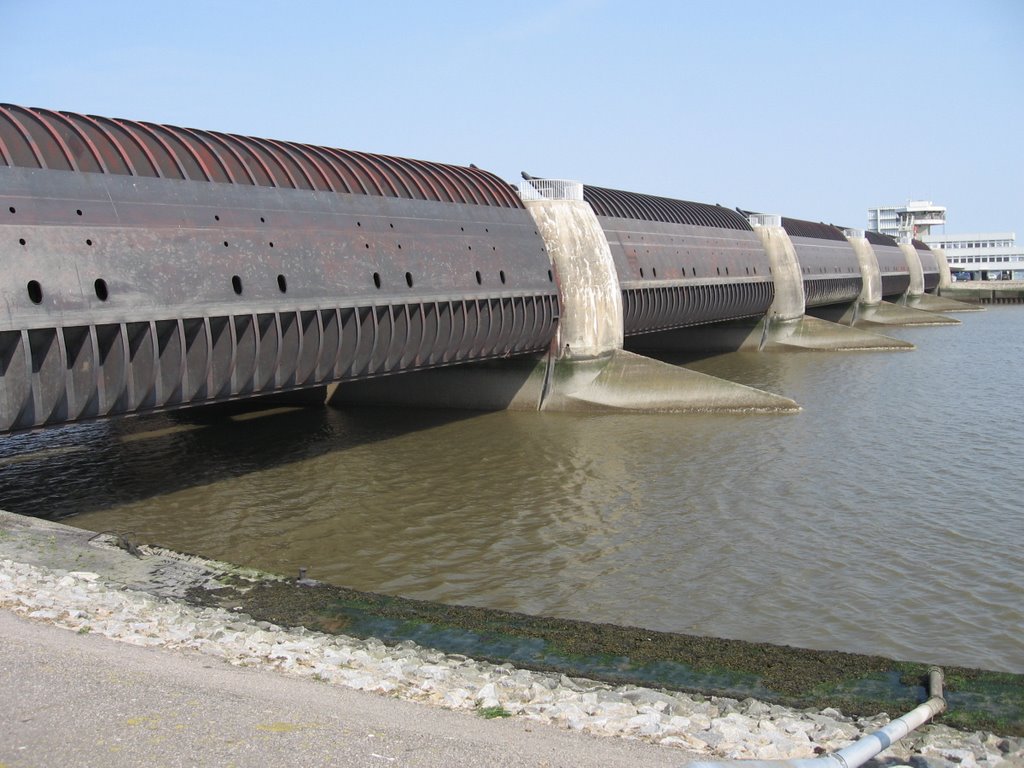 Sluice gates, Eidersperrwerk
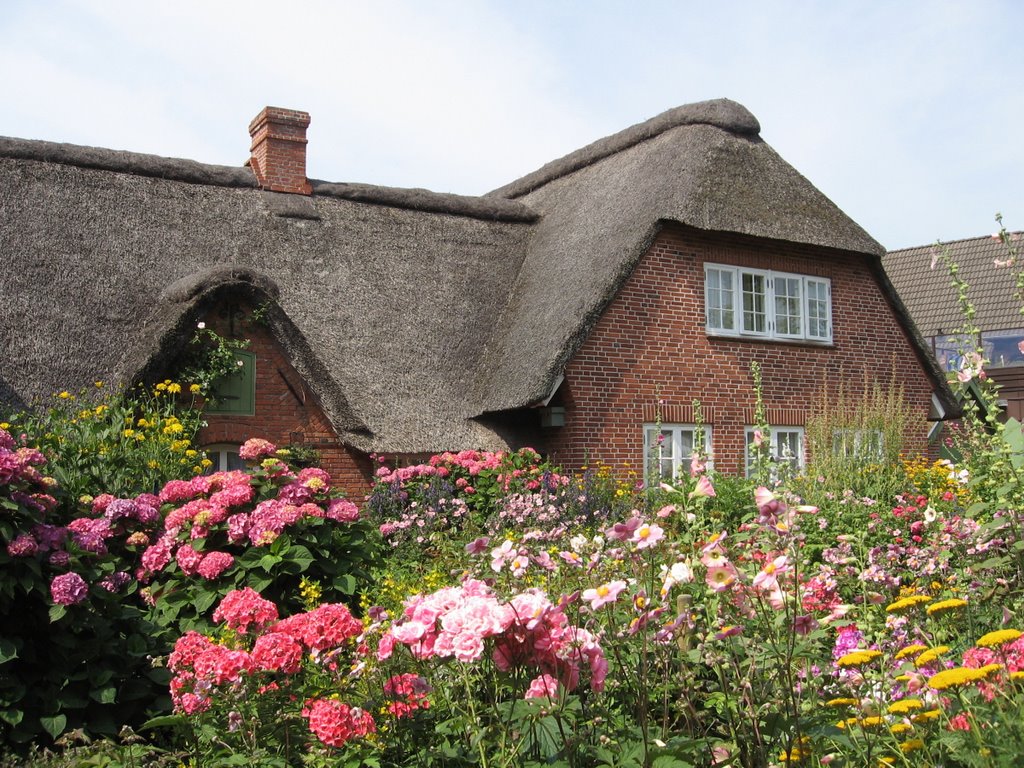 Cottage in Sankt Peter Ording
 Traditional 18th century farmhouse, now a museum, Sankt Peter Ording
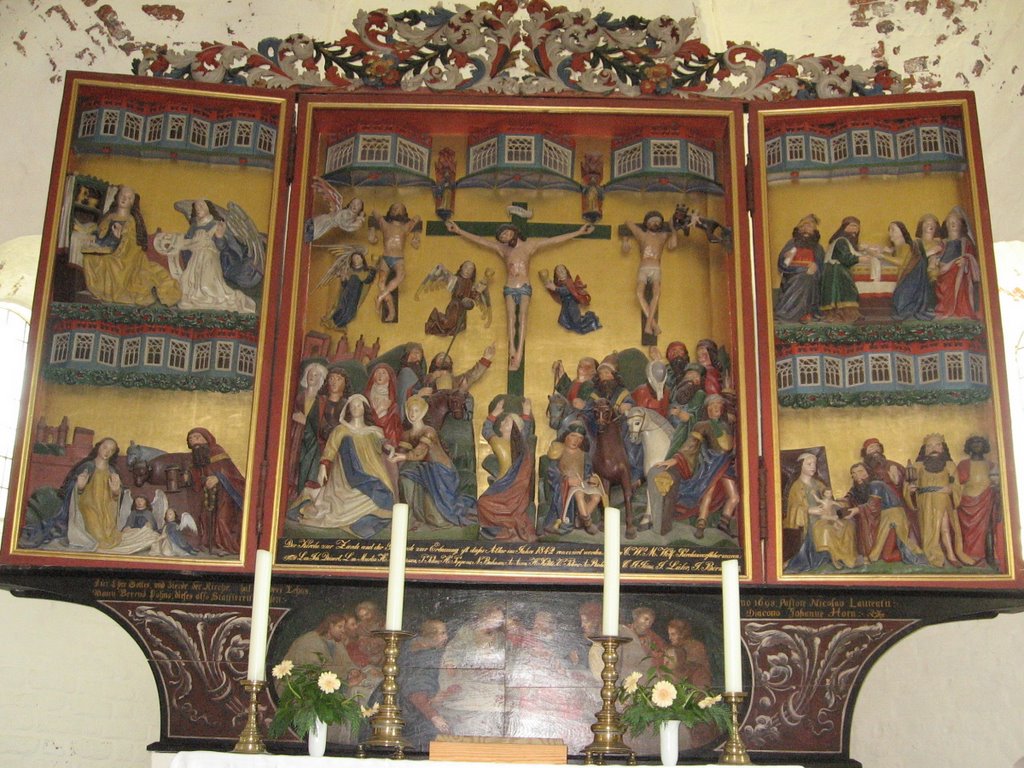 Reredos in the church, Sankt Peter Ording
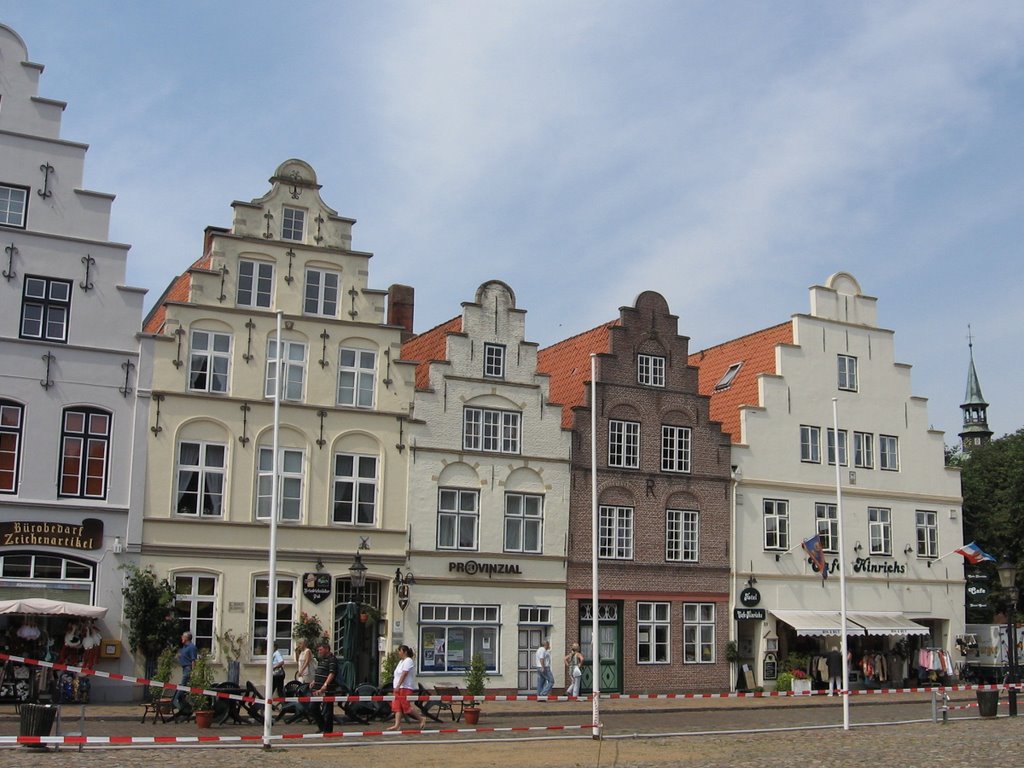 Gabled houses on the market square, Friedrichstadt
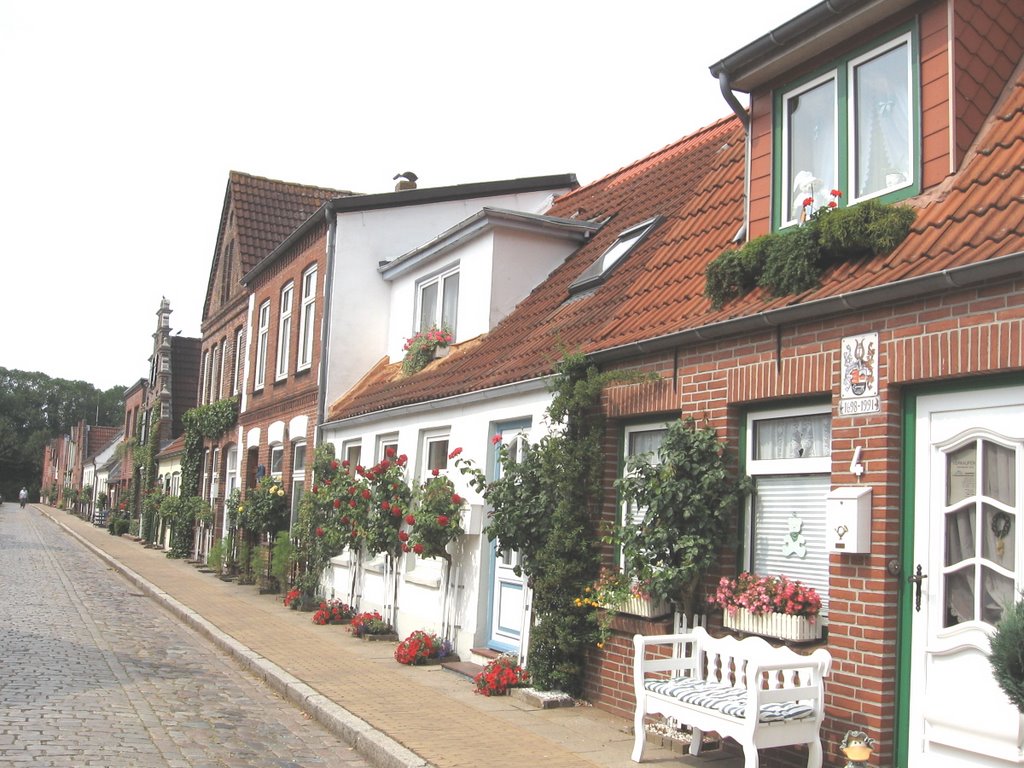 Residential street, Friedrichstadt
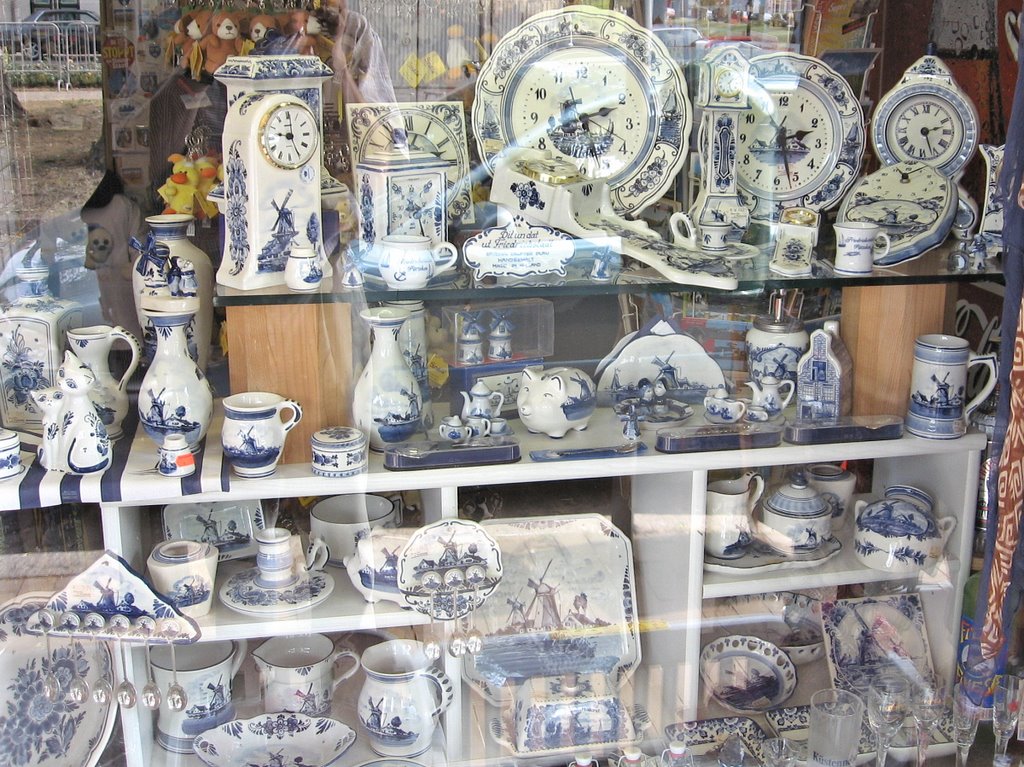 Shop window with Delft ceramics, Friedrichstadt
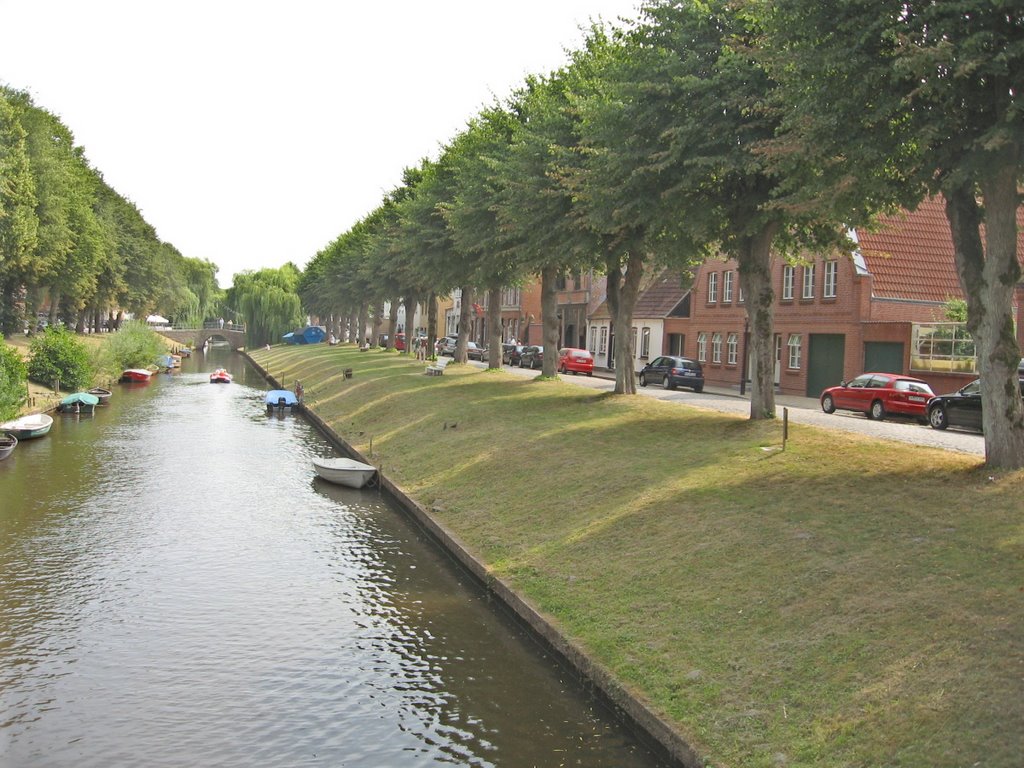 Canal in Friedrichstadt