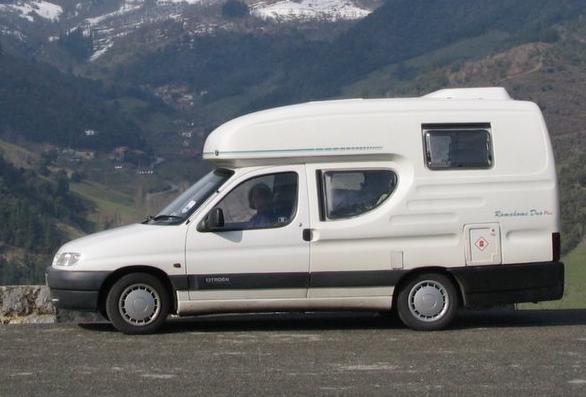
We really do seem to be enjoying a late summer with bright sunshine, temperatures well up into the 20s and more sunshine forecast for tomorrow. The hillsides are all clad in their bright autumn tweeds as each day brings changes to their foliage and today the sky has been a brilliant blue, making a vivid contrast with the colours of the trees silhouetted against it.
Having spent yet another morning in the internet shop in Salins today we were keen to enjoy the rest of the day out of doors so headed off towards Lons-Le-Saunier, capital of the Jura some fifty kilometres from here. We have already visited it briefly and made an earlier report on Rouget de Lisle but today we thought we’d explore further.
On the way we turned off for a picnic lunch beside a vineyard where a brightly coloured pheasant scrabbled amongst the vines, no doubt grateful that the local huntsmen had been dragged into town to help their wives with the weekend shopping. Nearby too, we found a shady field with a dozen or so very muddy and very friendly donkeys, including a couple of tiny young ones. They were quite delightful.
It was so warm and pleasant sitting in the sun we had to make a real effort to continue into town and fight our way through the one way systems trying to find somewhere to park. (Incidentally, we have to admit that having driven several thousand miles in Europe over the past two months, in four different countries, French drivers are generally by far the worst. Not all of course, but the contrast with Germany and Switzerland is very noticeable. There, speed limits are observed and sensible distances maintained. Here we are permanently tail-gated, speed limits generally count for nothing and overtaking is done with scant regard for the safety of anyone, including the offending driver. Sometimes too, we wonder why traffic lights exist as they are so often ignored. With so little traffic and such delightful roads, travelling should be a pleasure. Unfortunately this is often not the case.)
Lons-le-Saunier is based around a salt water spring (Le Puits Salé) and has thermal baths set in a typically French garden where men played boules in the afternoon sunshine. It suffered a series of fires in the 17th century and in the space destroyed, the rue du Commerce was built. The street is quaintly arcaded at pavement level, offering shelter from both sun and snow, while above, the facades of the houses, though now rather dilapidated, show evidence of their early grandeur with wrought iron balconies, shuttered windows and elaborately ornate round windows in the eves.
 Autumn leaves in a typically French park
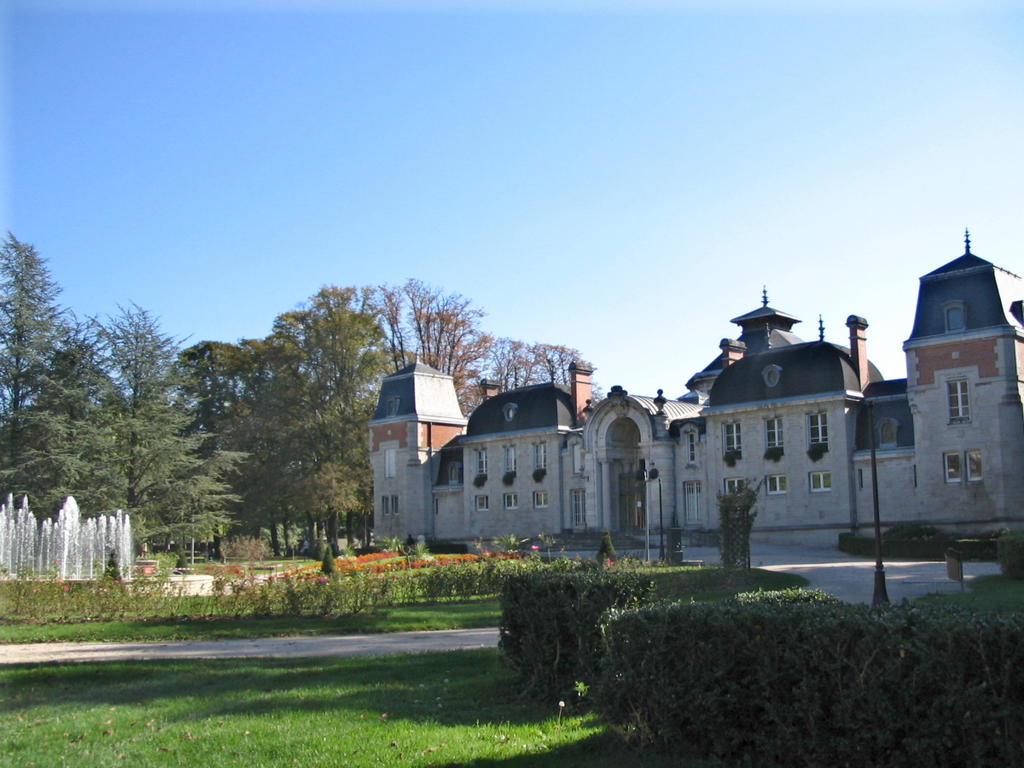 Thermal baths at Lons-le-Saunier
 The arcaded shops in the Rue du Commerce
There is a wonderful 18th century theatre with a superb rococo façade where we took a sunny break for coffee at the Café du Théâtre, watching families shopping in the Place de la Liberté with its fountains and impressive statue of General Lecourbe at the further end.
 The theatre at Lons-le-Saunier
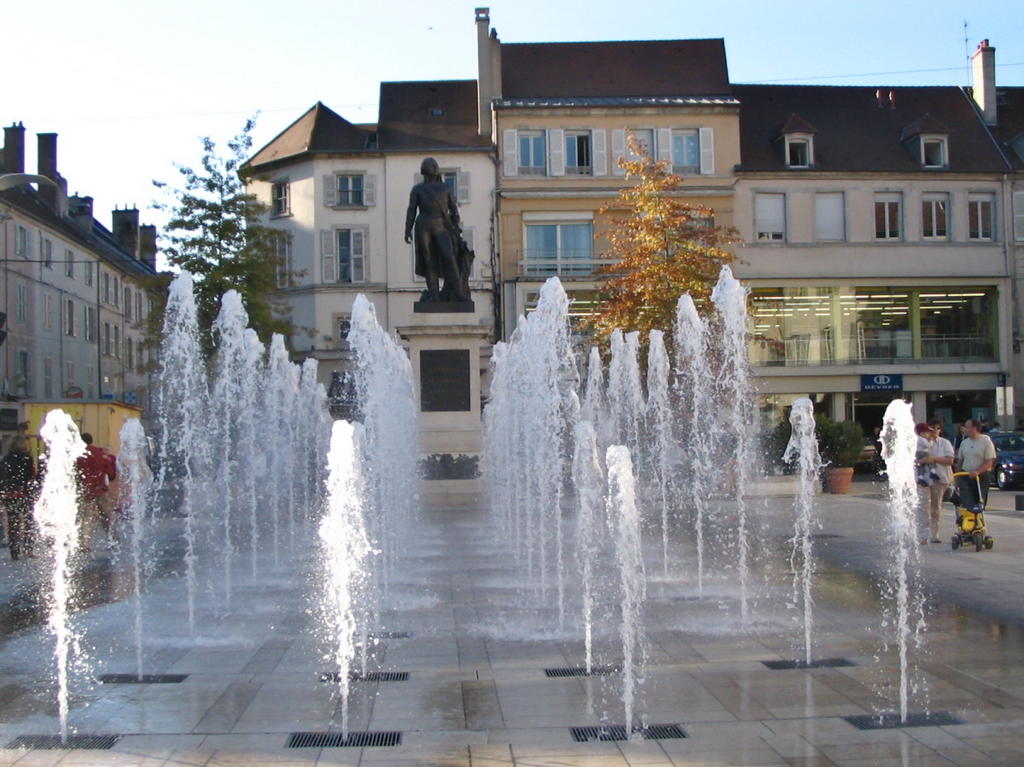 Place de la Liberté
The town has much to offer its inhabitants and with more time doubtless we could have discovered more. We returned home around 5pm to see hang gliders above Mont Poupet and brightly coloured hot air balloons drifting low over Champagne from their launch site at the Saline in Arc et Senans.
Jill’s thoughts on French sanitation
During our recent visit to Germany Jill’s command of the language was enriched with such memorable little words as “Hundekotentsorgungsbeutel.” This is a special dog pooh disposal bag. Germans are conscientious citizens. They do keep dogs in their cities but not once did our feet become sullied. The French adore their dogs and they too keep them in their towns and cities. Unfortunately it does not seem to occur to them to remove canine excreta from town pavements or trottoirs. We call them “crottoirs” and have become resigned to stopping regularly to hop around on one leg trying to gouge squidgy, smelly mess out from the ridged soles of our trainers with a twig. Our hopes were raised today when we discovered little bags for dog owners, picturesquely named “crottinettes,” specially designed to overcome this popular tourist pastime.
Humans in some parts of France do not fare much better than the dogs. In the 21st century street corner pissoirs are still quite common in this region, as are the “hole in the ground” loos. Public toilets are few and far between, often dirty and frequently shared between the sexes. The men rarely bother to shut the door – if one exists – on their side and even the ladies’ facilities are generally no more than a graffiti-ridden dirty hole with a couple of foot-shaped platforms to either side. Toilet paper is non-existent so you need to carry your own at all times. There is never a light switch or window so once the door is shut it is impossible to see where the hole is or where to place your feet! And the smell!!! Staying clean and dry – and ensuring your car keys cannot fall out of your trouser pocket - in such circumstances is accomplished with the utmost difficulty. Not surprisingly the use of such facilities is only undertaken at times of acute desperation. Either there is no flush, or when pulled, it floods not only the pan, but the entire cubicle floor as well, usually bringing the pan contents back up with it. Invariably the door opens inwards and it is impossible to get out without treading in it all, even if your shoes (or in Jill’s case, open sandals) have so far escaped. Of course the concept of a wash basin is still light years away and the interpretation of the Disabilities Act applies only to the toilet, not the user. We have found several where the water pipes are not even connected!
In Austria Jill discovered the revolving toilet seat. In France she’s just discovered one of their primitive toilets that has actually been fitted with an automatic sensor, causing it to flush at the first sign of movement! Not much fun when squatting across a hole, holding up trouser legs! If the local council can instigate such technically advanced ideas, surely to goodness it must occur to someone at the mairie that ladies are not designed like men and it would be more helpful to provide a seat than a foot wash! Clochmerle rides again!!
Sunday 9th October 2005, Champagne-sur-Loue
Sundays are not only the opportunity for the local population to shop in the supermarket at Arc-et-Senans but also a chance to use the car washing facilities there. We watched one man washing his car to discover the procedure. With much laughter at the strange appearance of Modestine, and the stupidity of the British to continue driving on the left, he explained that car wash tokens could be obtained from the supermarket. With 120 seconds of foam and 120 seconds of water in a high pressure hose for two euros we did what we could, but had to finish her off with Roland’s hose in front of the house back at Champagne – 3,500 miles on the roads of Europe had taken their toll on Modestine.
After lunch we joined Susanne and her neighbour Colette on a walk to Port Lesney, via Buffard with a stop for a drink in the Café Edgar in Port Lesney and back along the river, a total of some 11 Km. Our plan to go through the woods was rapidly dismissed by Colette who informed us that the hunters were out with their dogs and it was dangerous. Although accidents don’t often happen they are not unknown where hunters cannot always see exactly what they are shooting in the woodland!!! Muddy cars were parked at intervals along the roadside, men and dogs could be seen in the fields below the woodland, voices and occasional shots could be heard from up in the woods. At one point Colette’s own dog, out hunting with her husband, suddenly recognised his mistress on the road below and abandoned the hunt to rush across the field towards us waving his tail in delight. He was none too popular with the hunters! The walk was accompanied with a great deal of chat about various topics, including the French obsession with hunting. At least the results of the chase are enjoyed and our companions waxed lyrical about the delights of venison, wild boar, hare, duck and even pigeons and thrushes. If it moves, shoot it, seems to be the philosophy.
Monday 10th October 2005, Champagne-sur-Loue
One day in 1901 there was a fire at the Pernod absinthe distillery in Pontarlier. To avoid the risk of an explosion, a million litres of absinthe were discharged into the River Doubs. Two days later André Berthelot, the son of a notable chemist, was visiting the Source de la Loue, the famous beauty spot where the River Loue emerges from the base of a limestone cliff some 12 Km from Pontarlier. He noticed that the river had the colour and smell of absinthe (and the fish seemed as inebriated as the proverbial newt) proof that the Loue was in fact the resurgence of the Doubs. On learning this, the industrialists on the Doubs, to safeguard their water supply, set about plugging the holes in the bed of the Doubs. Alarmed at the prospect of losing their river, the mill owners on the Loue protested and following arbitration the plugging of any further holes was forbidden. We followed in the footsteps of Berthelot on a bright sunny day, parking Modestine in a sunny corner of a car park set in a deep valley to enjoy a picnic lunch. We then descended into the encircling wall of rock, from a cavern at the base of which the River Loue emerges fully formed in a blue cascade.
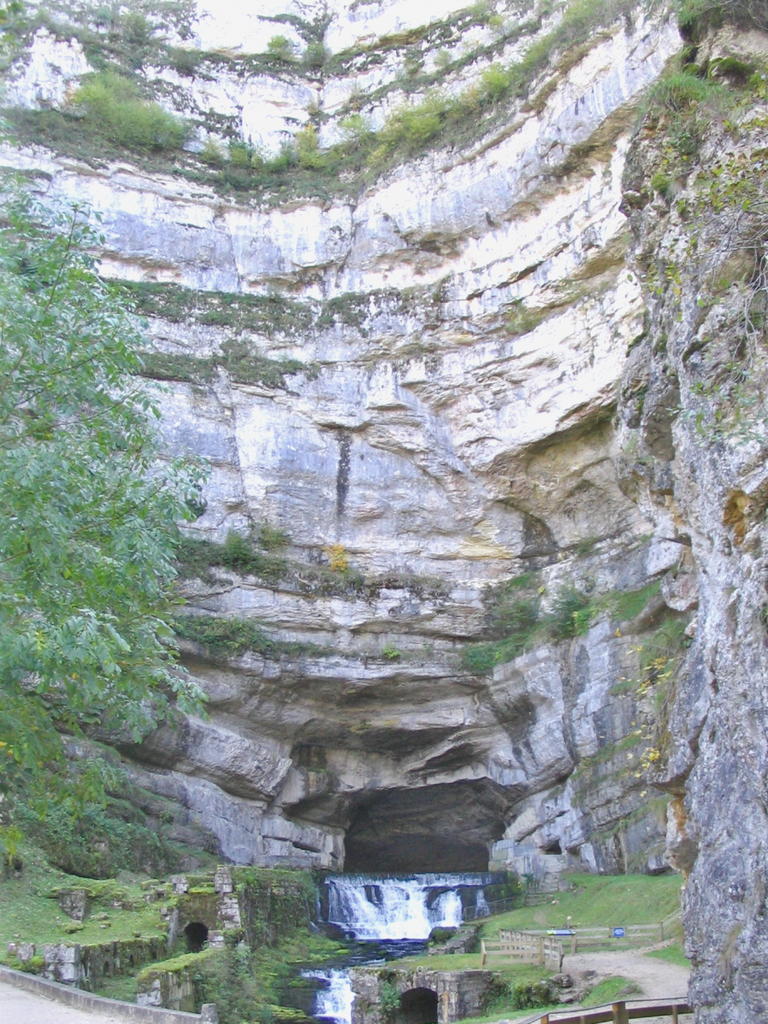 The source of the Loue
For centuries the site has been a centre of industry. In one place the path down from the car park preserves the ruts carved in the rock since medieval times by carts taking materials to and from the mills that made use of the rapid fall of the river. In the mid nineteenth century there were about 50 people there working half a dozen mills.
Leats, gulleys and bridges still remained, now deserted, ruinous and overgrown, adding to the somewhat melancholy atmosphere of the place, which painters such as Courbet have long been attracted to. Today the only active industry is a series of small hydroelectric power stations scattered along the valley – France obtains ten per cent of its electricity by this means. As we admired the scenery there was a roar and a red shape hovered within the circle of cliffs for a while – it could easily have been the Vouivre, the winged serpent of Franche Comté legend whose favourite haunt was supposed to be the steep valley of the upper Loue. In fact, more prosaically, it was a helicopter, probably linked to army exercises which were taking place in the area.
 Industrial remains at the source of the Loue
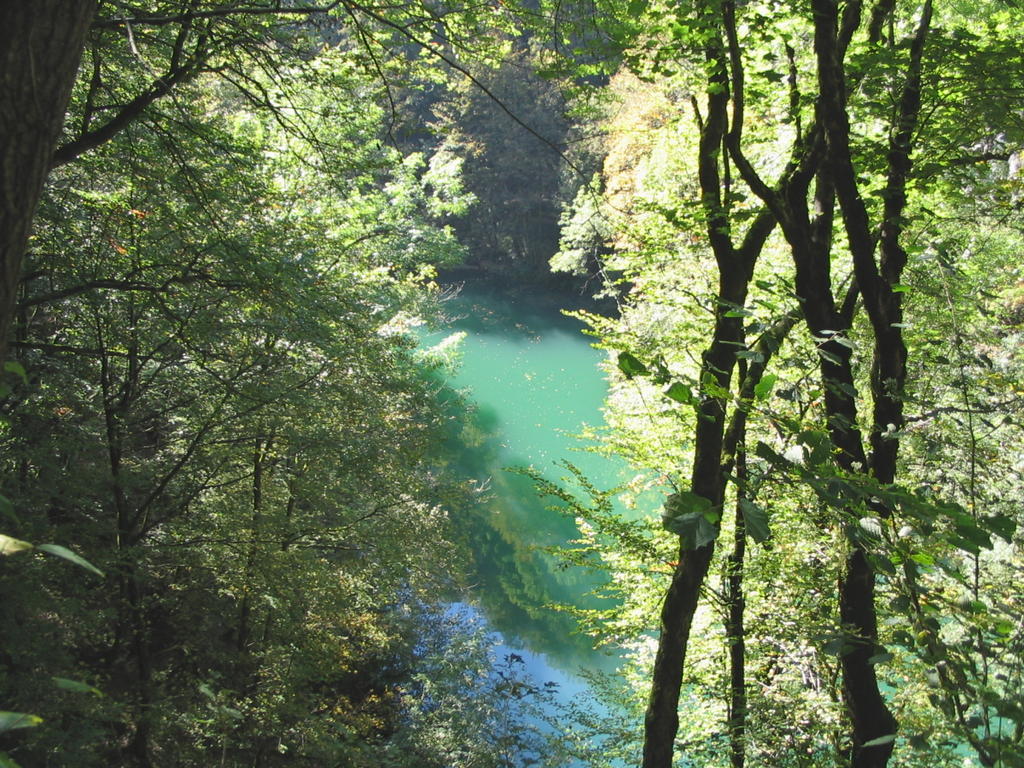 Tiny barrage on the Loue serving the hydroelectric power station
 Winged serpent of the Loue?
We set out to walk along the top of the Gorges de Noailles, the ravine into which the Loue plunges for the first 4 Km of its course above ground. The path clings to the rock face of the ravine about 200 metres above the tumbling river with extensive views, glimpsed through the foliage, of limestone cliffs covered wherever roots could gain a hold, by trees which were now turning to autumnal gold. Eventually the path emerged onto the Route Louis Philippe, one of many finely engineered roads cut along the cliff face of the Jura. This one, opened in 1845, was constructed largely at the expense of the inhabitants of the valley and with the loss of several lives. Squeezed to the roadside edge and with a frightening drop to the gorge below, we followed it down on foot through cuttings, twisting bends and a tunnel to the picturesque village of Mouthiers-Haute-Pierre, the highest settlement on the River Loue. We hoped to find a way back along the ravine itself but signposts and people we asked did not provide us with much hope and the afternoon was drawing to a close.
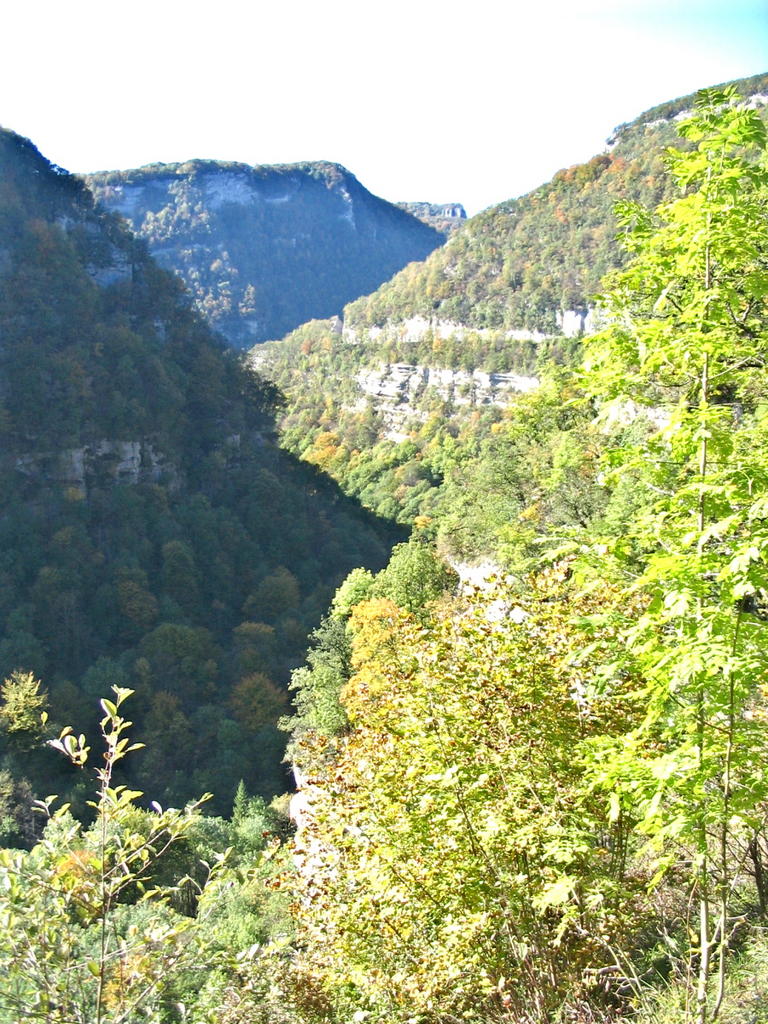 The Gorges de Noailles
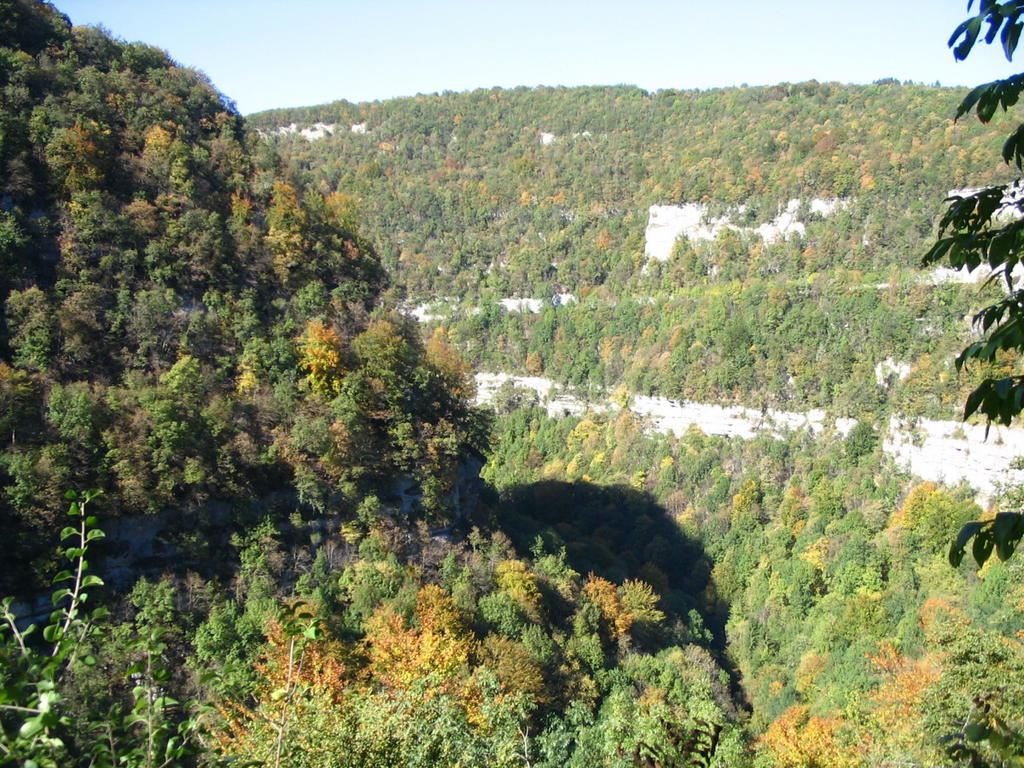 Autumn colours in the Gorge
 Mouthiers-Haute-Pierre from the Route Louis Philippe
Already weary, we tentatively began walking upstream along a footpath beside the river. Passing a pretty cottage Jill asked directions. The friendly man left his work in the garden and returned with a local guidebook containing a map of the path which he described to us in detail before handing us the guide to keep! People can be so very nice! The route started off easily enough, passing old mills and a picnic site by a waterfall, and then began to climb before dropping down again along the approach road to a hydroelectric station run by EDF (suppliers of water to South West England – strange how privatisation in the UK has led to a takeover by a French nationalised company). Here we crossed a bridge and saw why the path was not well publicised. Large notices warned that it was a dangerous ravine with steep, slippery paths and falling rocks and furthermore the hydroelectric generating station could open the barrage at any time, resulting in the release of large quantities of water and a rapid rise in the river. But Modestine was at the other end of the ravine and it would be dusk in a couple of hours, so we boldly struck out up the path. It proved to be a scramble through the most wonderful scenery, this time with views up to the cliffs, the tops still bathed in sunlight. In the shadows below, the river tumbled through an unending series of cataracts, joined at intervals by small streams that tricked across our path dripping down over moss-covered rocks and fallen tree trunks. After ninety minutes or so of exhausting, slippery scrambling we finally reached the vast amphitheatre of rock that gives birth to the Loue and climbed back up to the deserted car park in time to drive back home directly into the setting sun. We speculated on the time it would take water from the source to reach our village of Champagne and wondered whether it would have reached here by the time we got home.
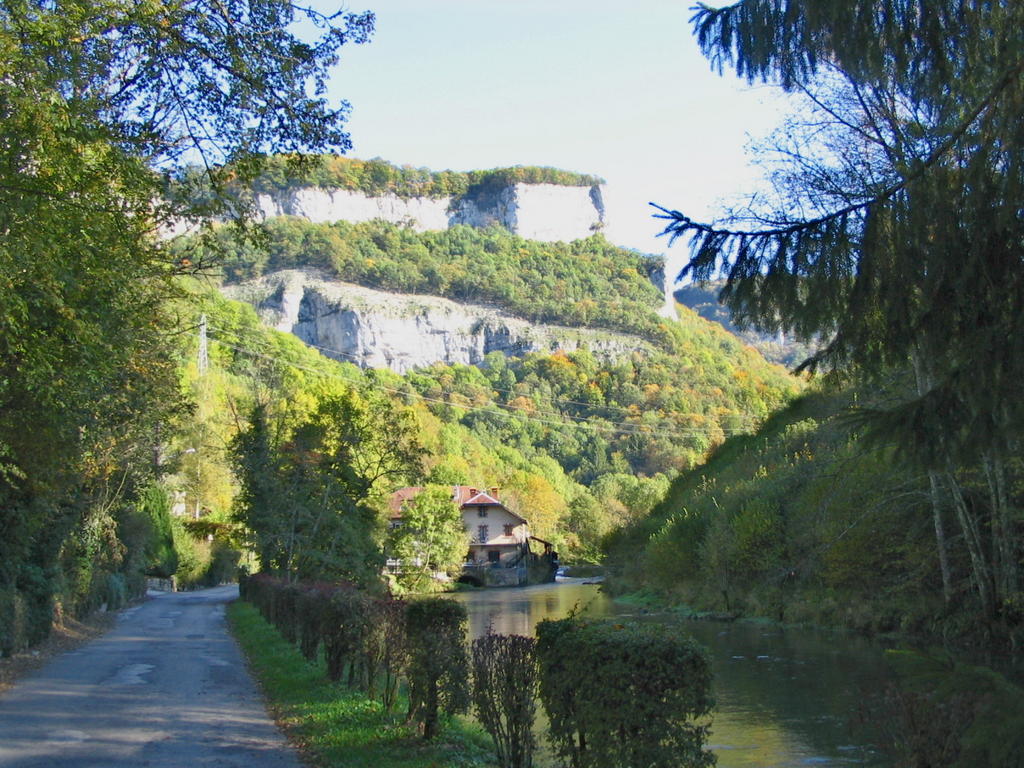 The start of our return upstream from Mouthiers
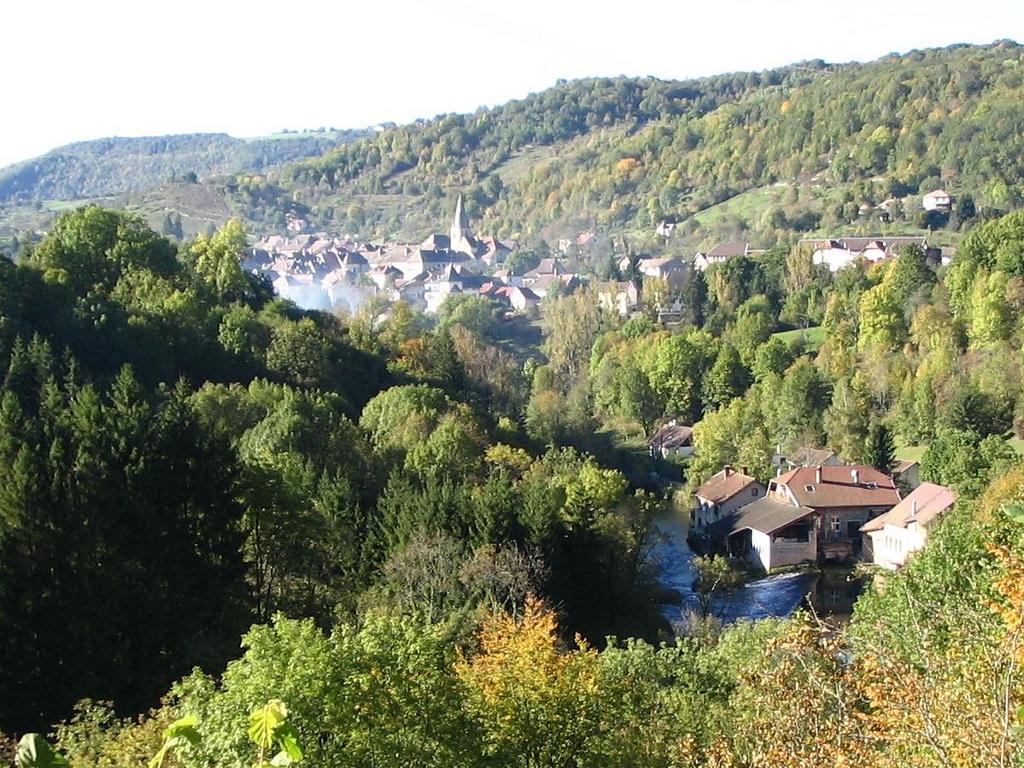 Looking back to Mouthiers as we start our climb through the gorges
As for the River Loue, it pierces its way westward through the limestone rocks, at one point coming within three Km of the Doubs, but kept apart by a high range of hills. By the time it reaches Champagne it has left its deep chasms and from then on winds its way gently across flat farmland south of the Forêt de Chaux, returning the water it has stolen when, after a course of some 100 Km, it is finally reconciled with the Doubs just south of Dole.
Tuesday 11th October 2005, Champagne sur Loue
We have been away just over two months now. In many ways it has passed with unbelievable speed, but we also seem to have achieved and enjoyed so very much that it seems a lifetime since we left our libraries and set off on this adventure into the unknown. In little more than a week we will be leaving Champagne and heading south before the winter sets in here. However, we are still enjoying a prolonged spell of sunshine and making the most of it exploring the autumn colours of the countryside.
This afternoon we cycled down to Arc et Senans to visit the famous and spectacular salt works designed by Claude Nicholas Ledoux in 1773.
These are not your average salt-works as found in the Cheshire countryside, though the basic technique of evaporating off the water from the saline solution in large flat pans heated from beneath, is not dissimilar. These are a stunning architectural achievement and actually represent only a part of le Doux’s grand plan to build an ideal city here on the edge of the Fôret de Chaux providing both work and accommodation for the community. The grandeur or the buildings are clear evidence of the importance of salt, which was highly taxed by the government during the 18th century, in a region so far from the salt of the sea. It was known locally as White Gold and was vital for so many industries – such as glass-making - as well as food preservation and medicine.
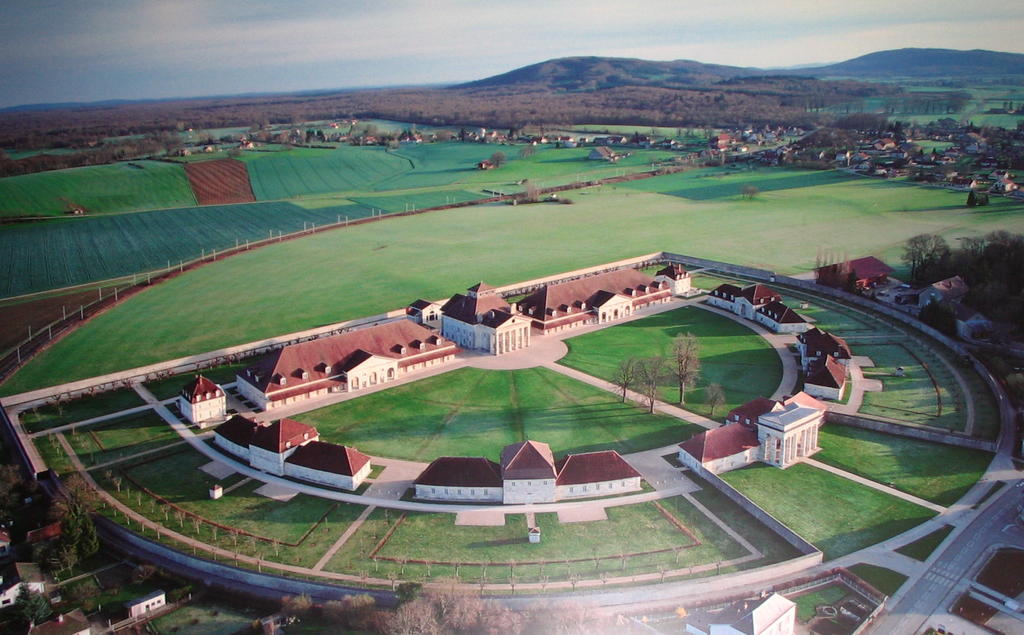 Overall view of the Salines today
 Le Doux’s plan for the ideal city of Chaux
Claude Nicholas Ledoux (1736-1806) was already a noted architect in the 1770s. His projects building houses for the rich and famous had made him useful friends and he had received the contract to build toll houses around Paris for the Fermiers Généraux, responsible for collecting the hated gabelle or salt tax. He had been appointed Inspector of Salt-works for the region of Franche Comté and the site at Arc-et-Senans had been chosen because of its proximity to the enormous Forêt de Chaux, a readily accessible source of fuel.
The salt, dissolved in water, was channelled through a wooden aqueduct from Salins les Bains, following the contours of the rivers Cuisance and Loue, crossing the latter river just before Arc-et-Senans and arriving at the Graduation, an enormous covered building where it was tricked onto wood to start the process of evaporation and economise on fuel.
 Engraving of the Graduation building
The buildings of the salt-works are arranged in a semicircular plan, rather like a Greek amphitheatre, with the Director’s house centre-stage – Leduc’s grand plan for the ideal Ville de Chaux envisaged the completion of the circle, with triumphal columns and a range of other public buildings. The style is a mix of classical, Palladian inspired features - colonnades and porticos and the repeated motif of salt water poring from pots - and the tall roofs of the Franche Comté region. There were workplaces and accommodation for the different specialist trades, blacksmiths, coopers and so on, stables, stores for wood and salt, and of course the administrative offices, including the offices for the gabelle. The imposing entrance block formed the guard-house and included the communal oven, the lavoir (wash-house), courts of justice and prison, all required by a self-sufficient community. Today it houses the reception and an excellent bookshop.
 The Director’s house at Arc-et-Senans
 Another view of the Director’s house
 Guard house and entrance
 Gabelle (salt tax) office
The coopers’ building to the left of the entrance houses a museum dedicated to the work and ideas of Ledoux, including models of his remarkable buildings, both completed and, more often, only planned. They include a cemetery for Chaux in the form of massive spheres and a bridge over the Loue with the piers in the form of elaborately decorated boats. During the Revolution Ledoux was imprisoned, and most of his Paris tollhouses were destroyed by the mob. With his links to the detested gabelle, he was lucky to escape the cruel hands of Robespierre with his life but perhaps the authorities were aware of his advanced ideas on the role of architecture in improving society. His remaining years were spent preparing a series of plates to explain and justify his architectural theories.
The salt-works had begun very successfully, but the lifting of the gabelle and industrial developments in the 19th century meant that it declined and eventually closed in the 1890s. The buildings fell into decay, there was a fire, and in 1926 the owners dynamited the Director’s house when they learned that it was to be classed an historic monument. However it was acquired by the départment, repairs and restoration have been carried out and the French, ever with an eye to the Grand Philosophical Plan, have found it the ideal place for a Centre to Reflect on the Future. So, beside the museum to Ledoux and a display on the role of salt in society, there is a multi-media display in the Director’s House on the ideal city.
The original garden plots on the outer ring of the circle have become themed gardens, each with an abstract philosophical panel explaining the significance of the design of the garden. However, even with all the tendentious verbiage, the end result of the whole visit was both impressive and agreeable. One of the gardens in particular, based on the illustrations in Francesco da Colonna’s Hypnerotomachia Poliphili (that beautiful book printed in Venice by Aldus Manutius in 1499) attracted us by its use of slender living branches woven like basket-work into hedges.
On our way in we were passed by several classes of schoolchildren, some as young as six or seven, making their way in noisy crocodiles back to the waiting coaches. We wondered what they had made of the various displays, most of which were too much for us to take in during the three hours we spent there.
Cycling home in the sunset we were concerned to note that the number of beautiful blonde-maned horses in the field we pass daily has dwindled from eight to two. Over the last few days we have also noticed a little black cat hunting in the same field. We had assumed it was field mice she was after but we are now wondering just what “gifts” she has been leaving on her owner’s doorstep each day!
At home we joined Susanne and Roland for an aperitif of home-prepared Macvin or ratafia (Jura speciality produced by fermenting the lees of the wine and strengthening with eau de vie) in their kitchen as the sun disappeared outside and the temperature plummeted.
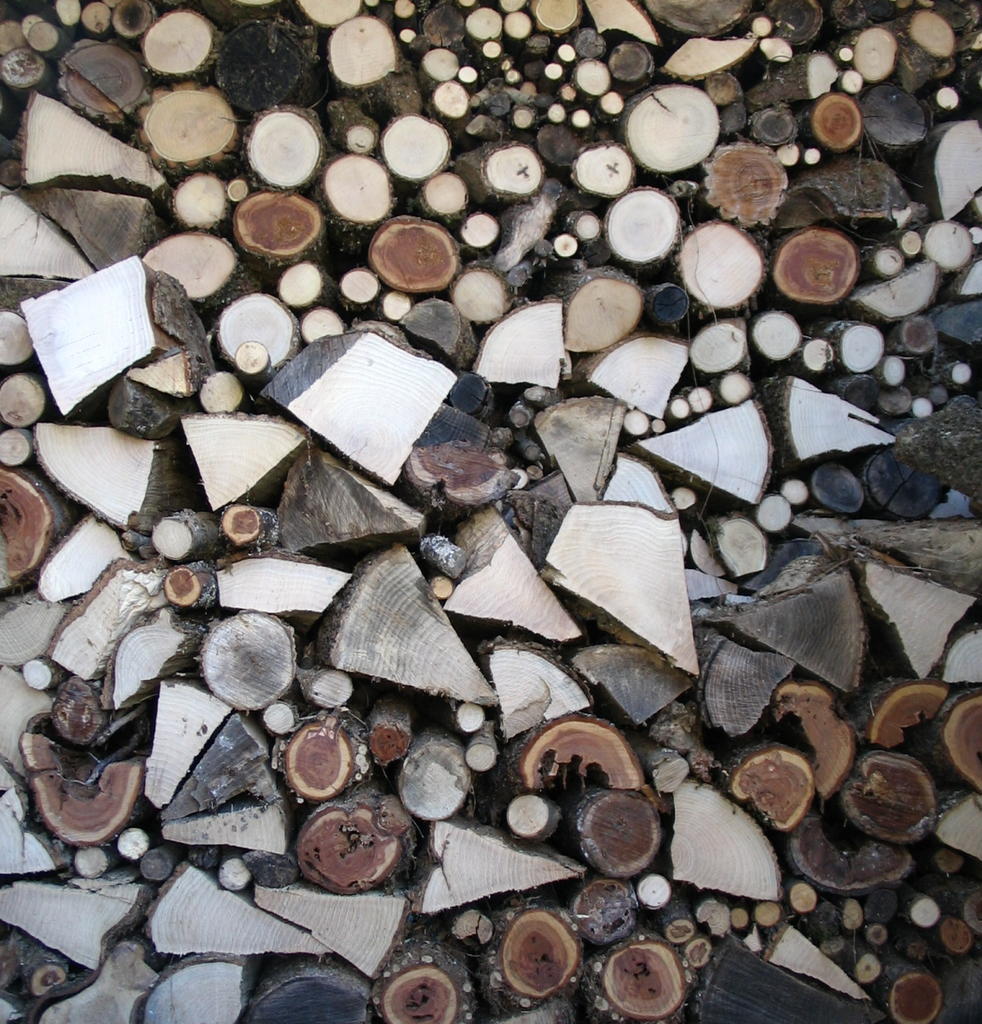 End-on view of Roland’s log pile. It just struck us as artistic

 The Ursuline convent in Poligny
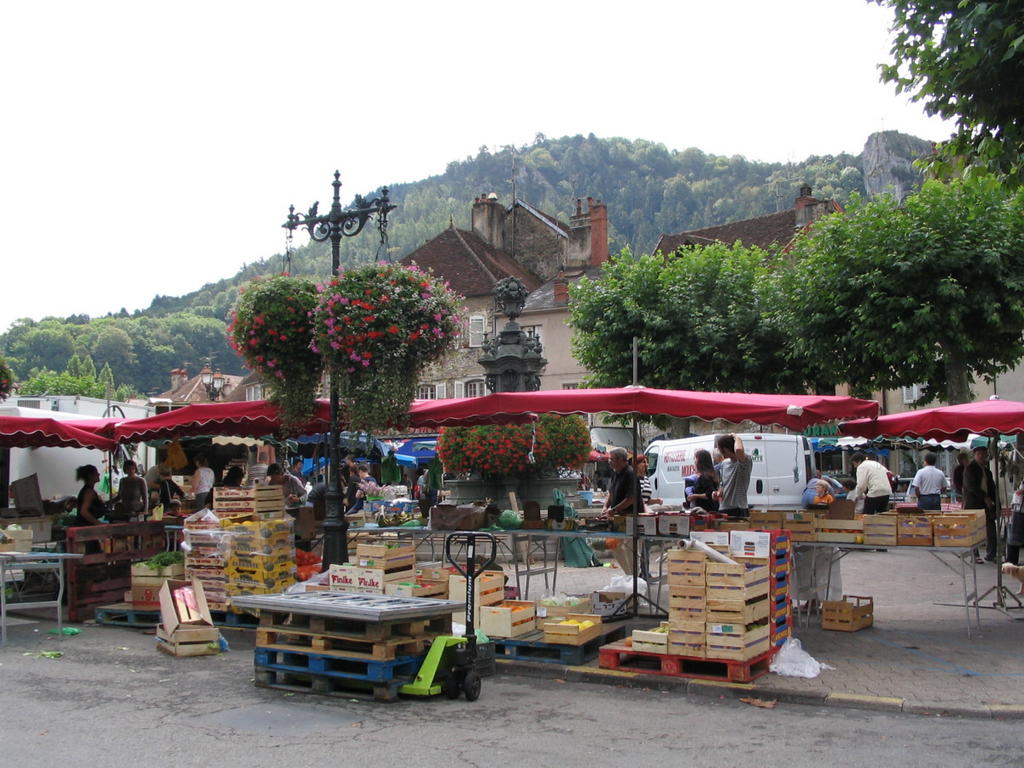 Market day
 Collegiate Church of Saint Hippolyte
 15th century carved reredos in the church
 The pharmacy in the Hôtel-Dieu
 Staircase inside the church tower
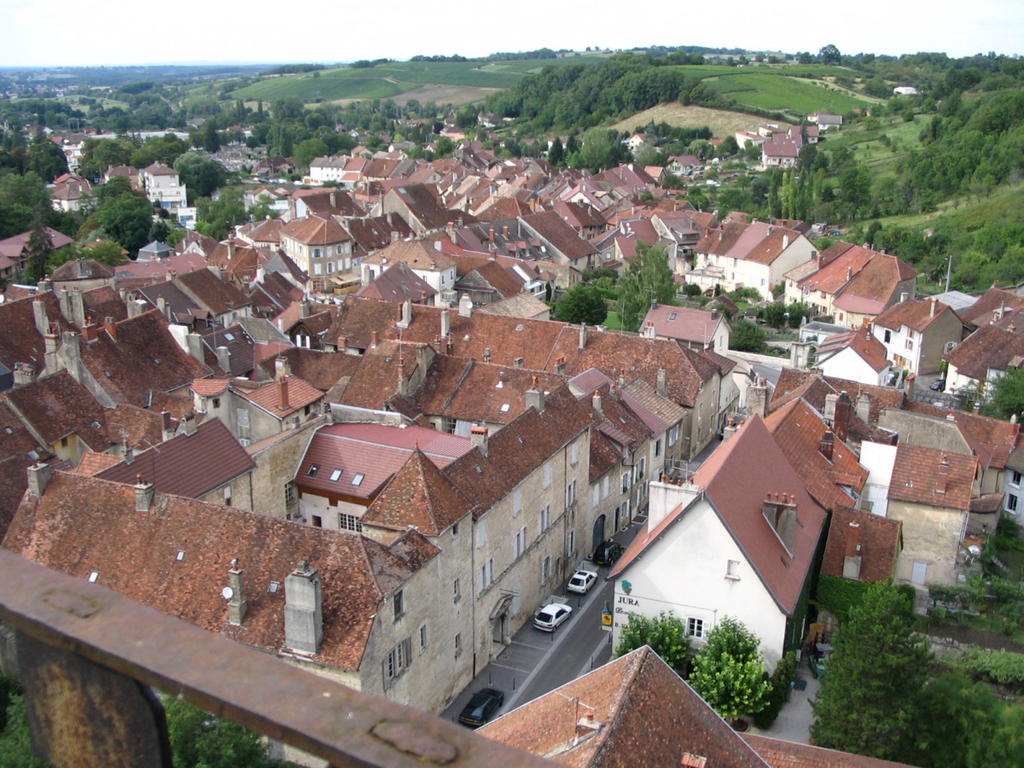 View onto Poligny from the top of the tower
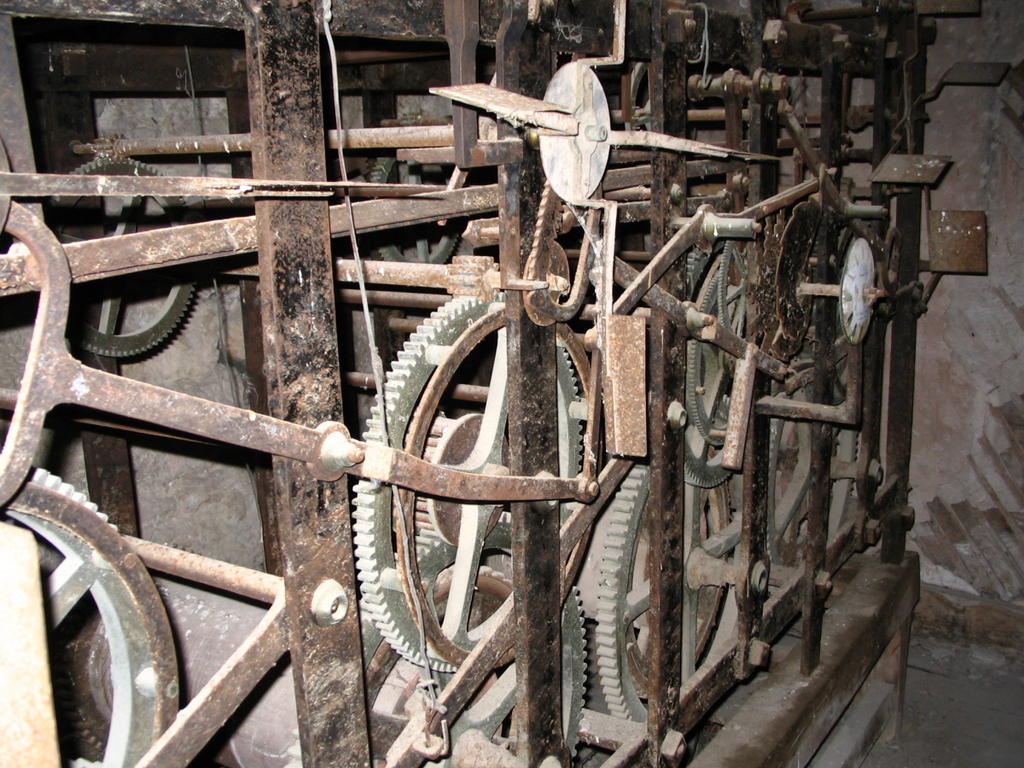 The turret clock
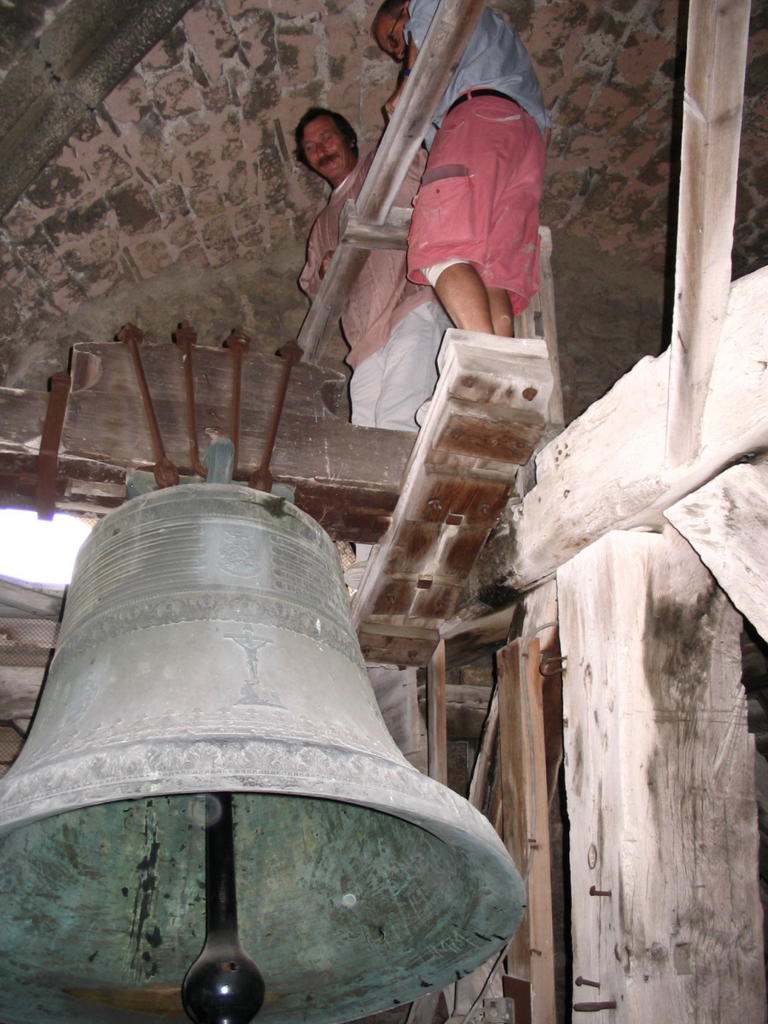 Quasimodo in action!
 What a carillon!
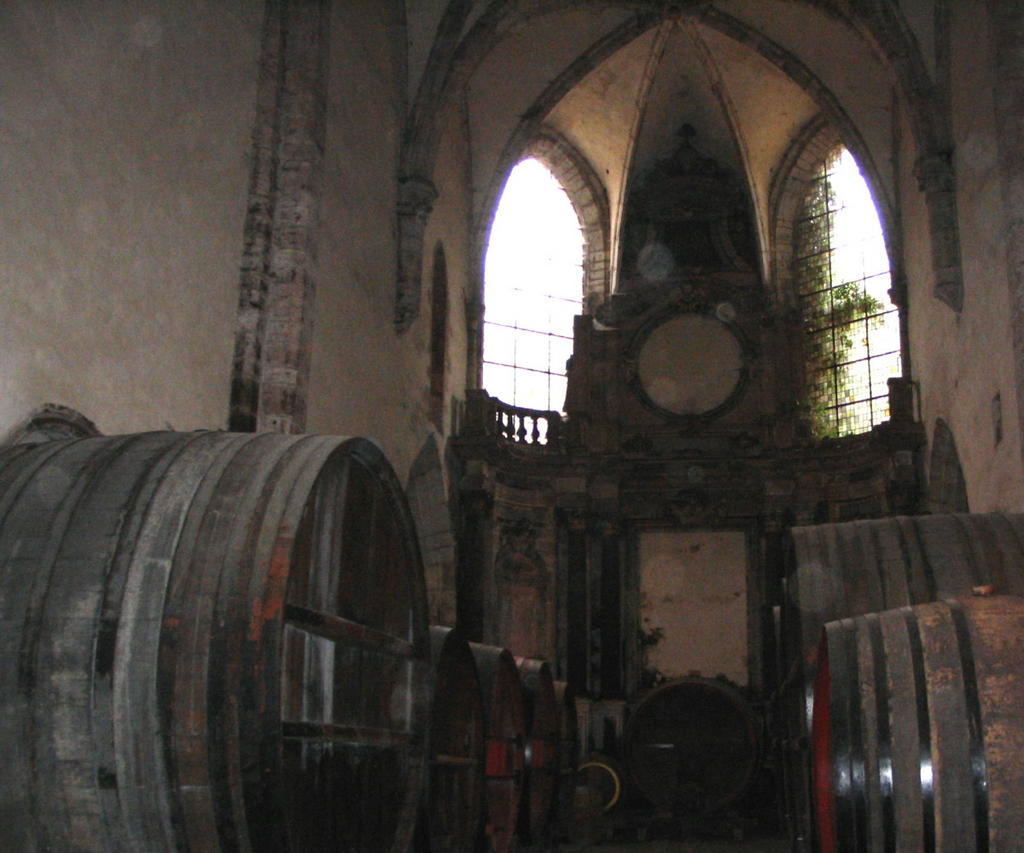 More than enough communion wine!
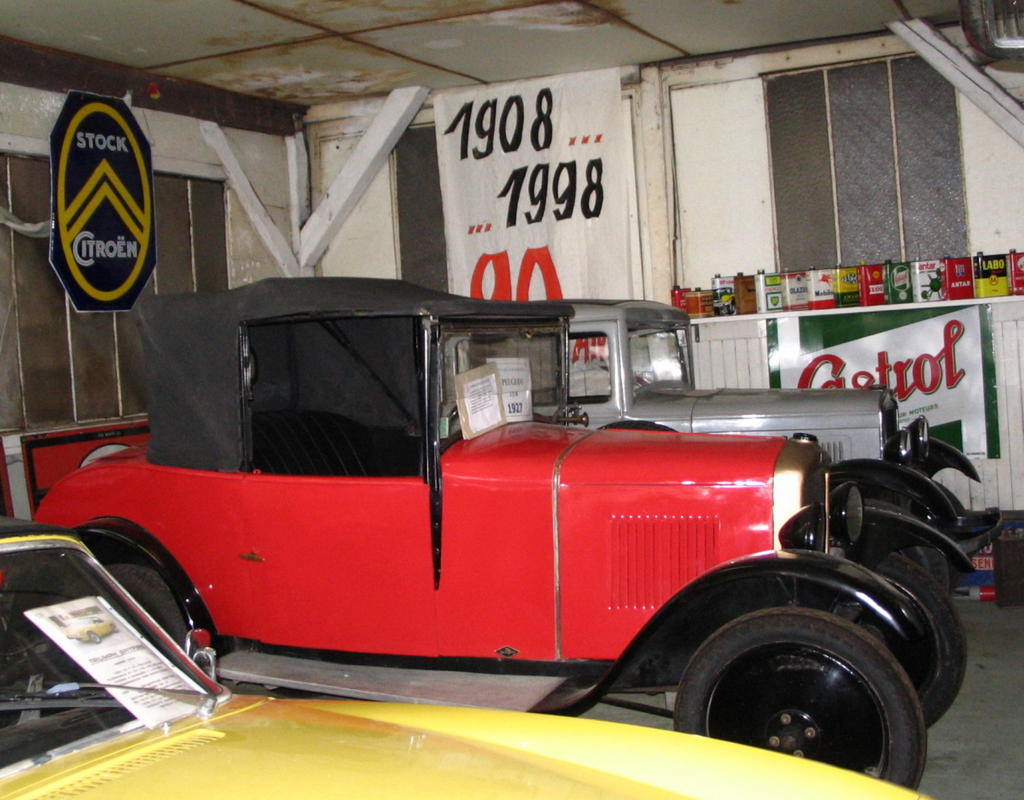 Specially for Dick and Marlies who crossed the Andes in an Austin 7!
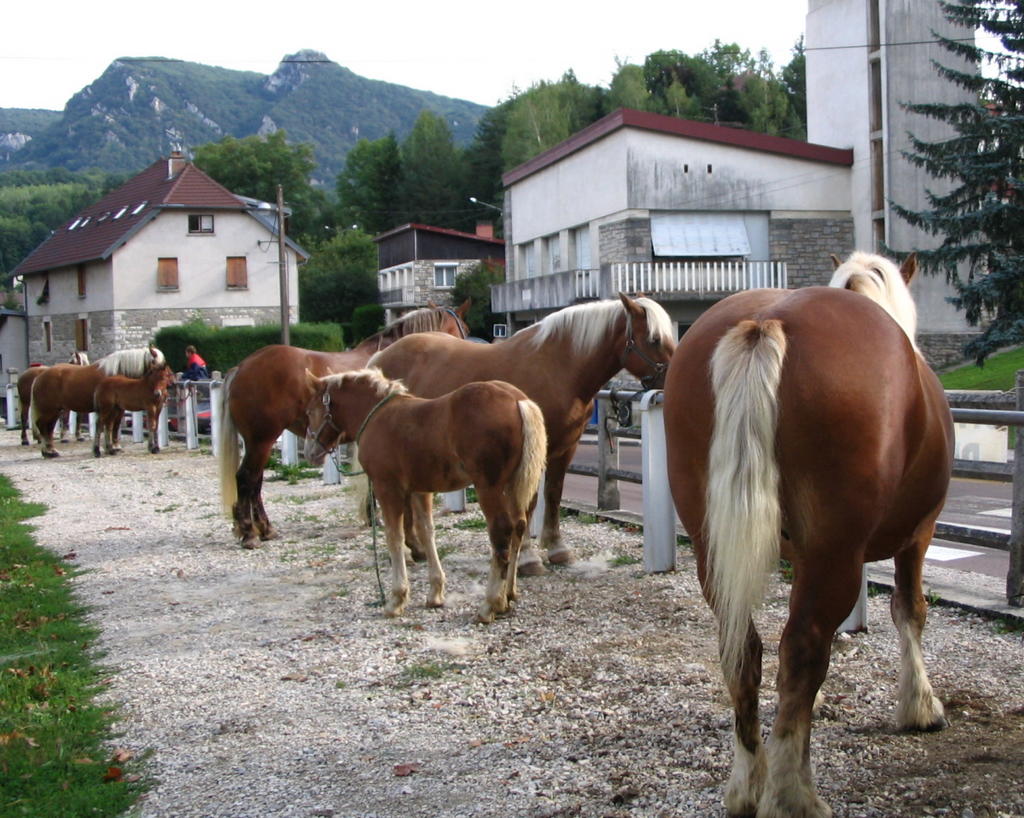 Comtois horses at the show
 The mane attraction!
 Salins-les-Bains from the Fort St. André
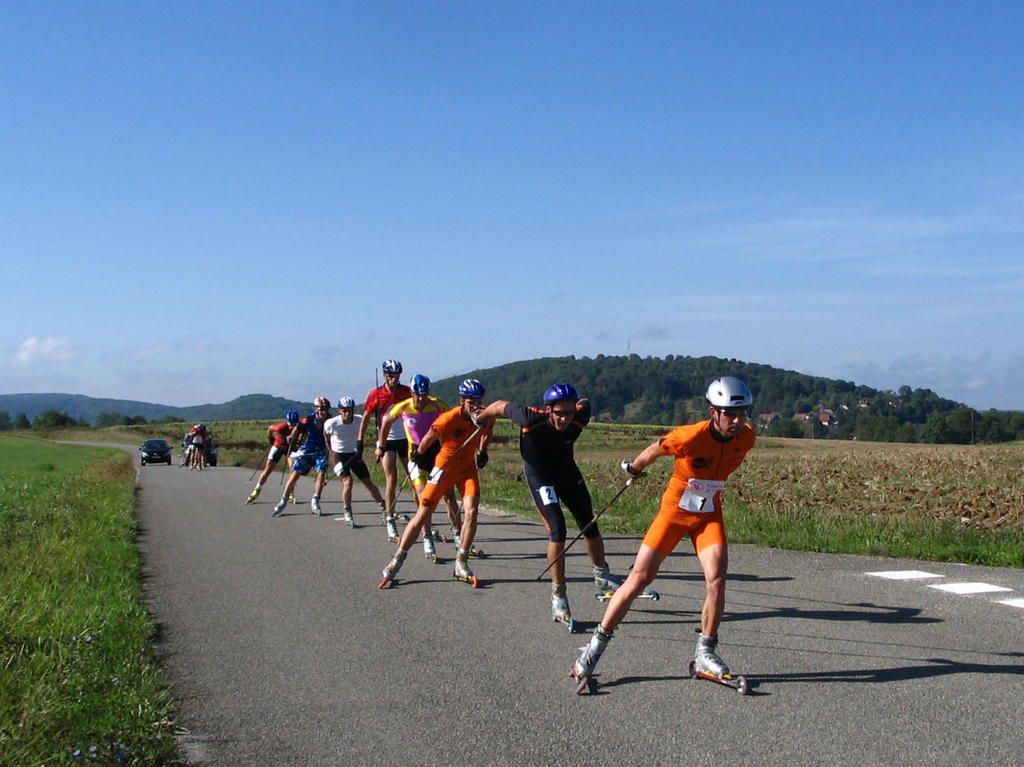 Rollski Loue
 Jill contemplating on the Loue
 Champagne from the bridge
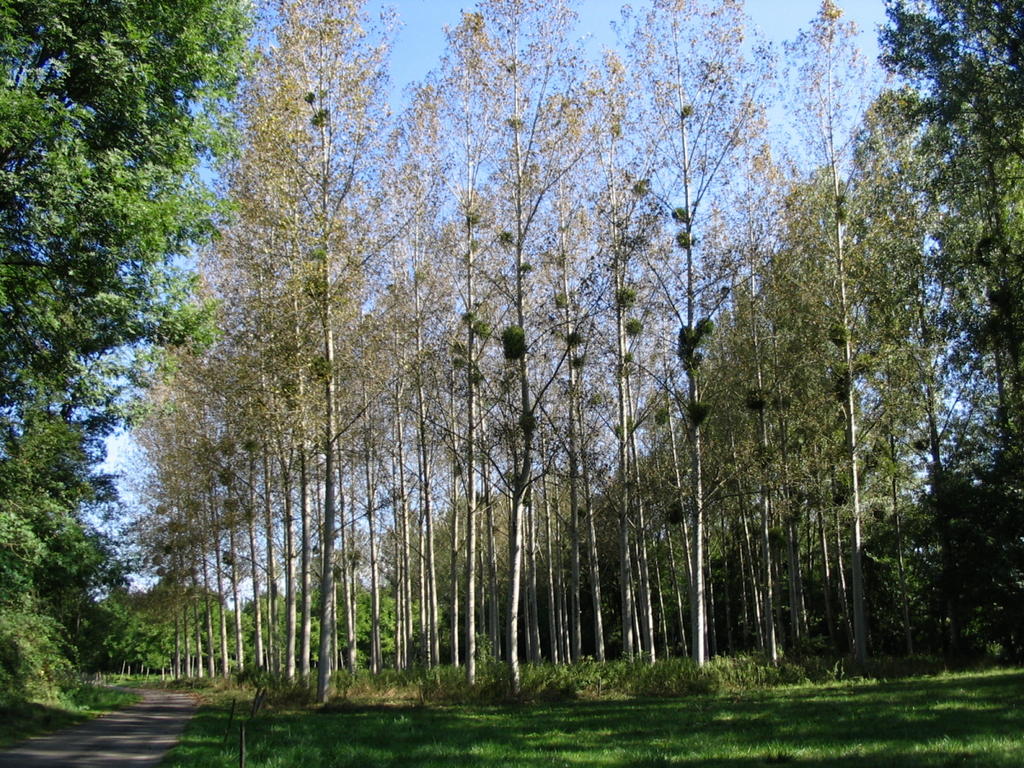 Hugues poplars heavy with mistletoe
 Those magnificent geese with their flying machine
 L’Eventail (Fan)
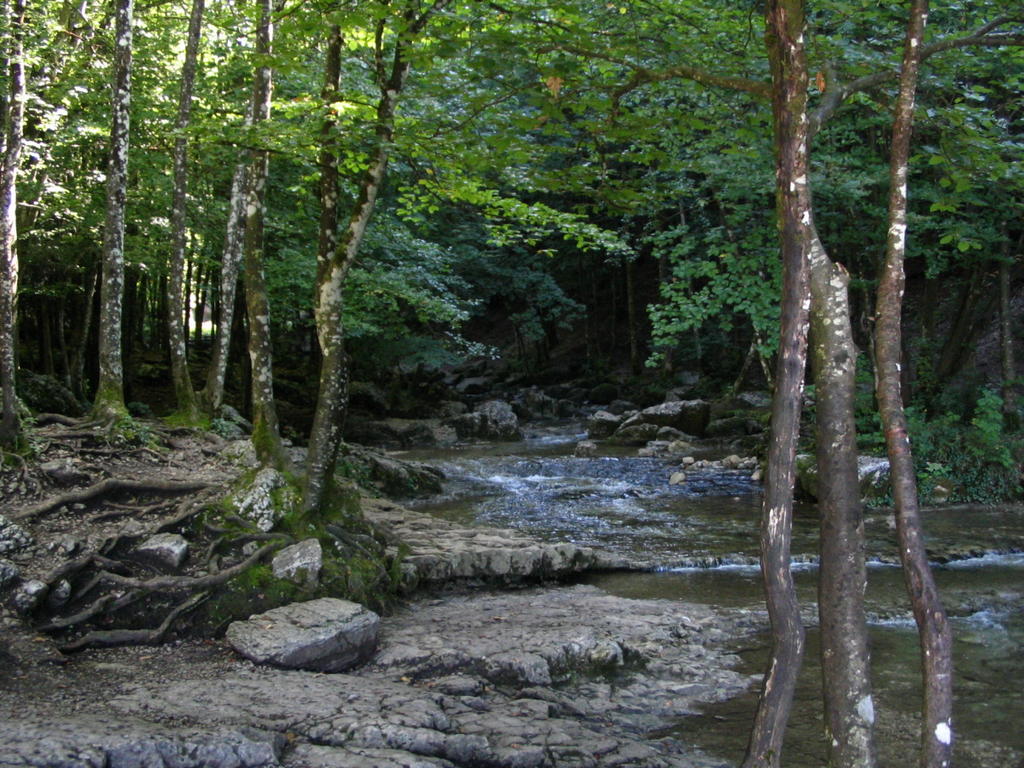 The Hérisson above the Eventail
 Grotte Lacuzon
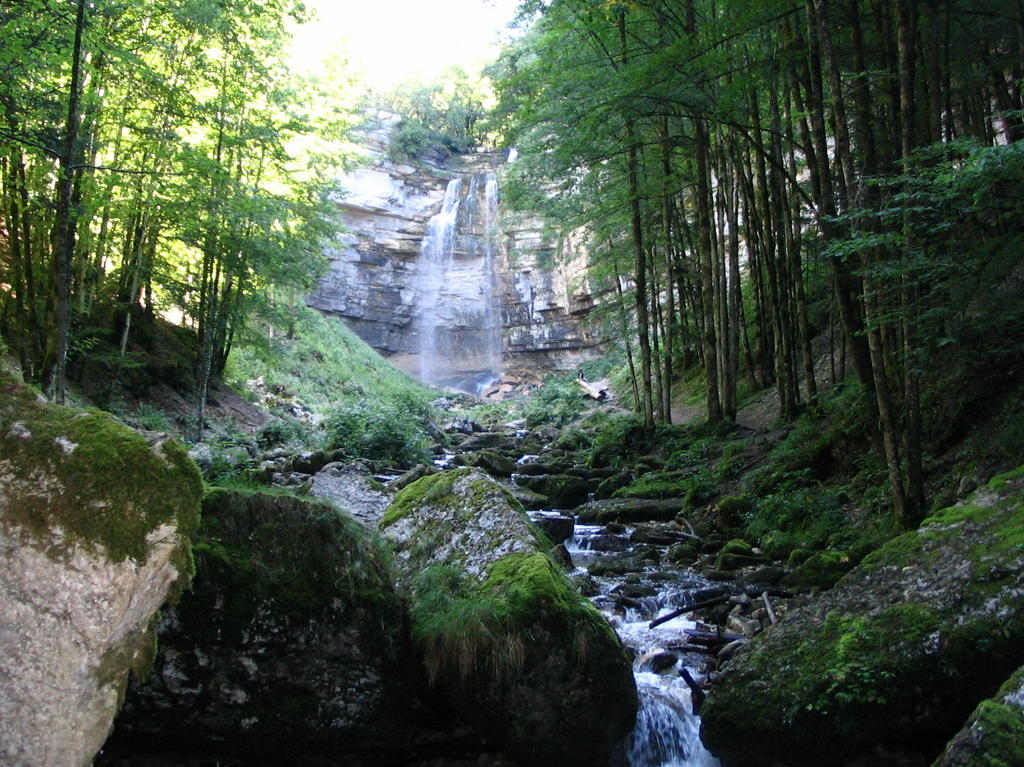 Le Grand Saut
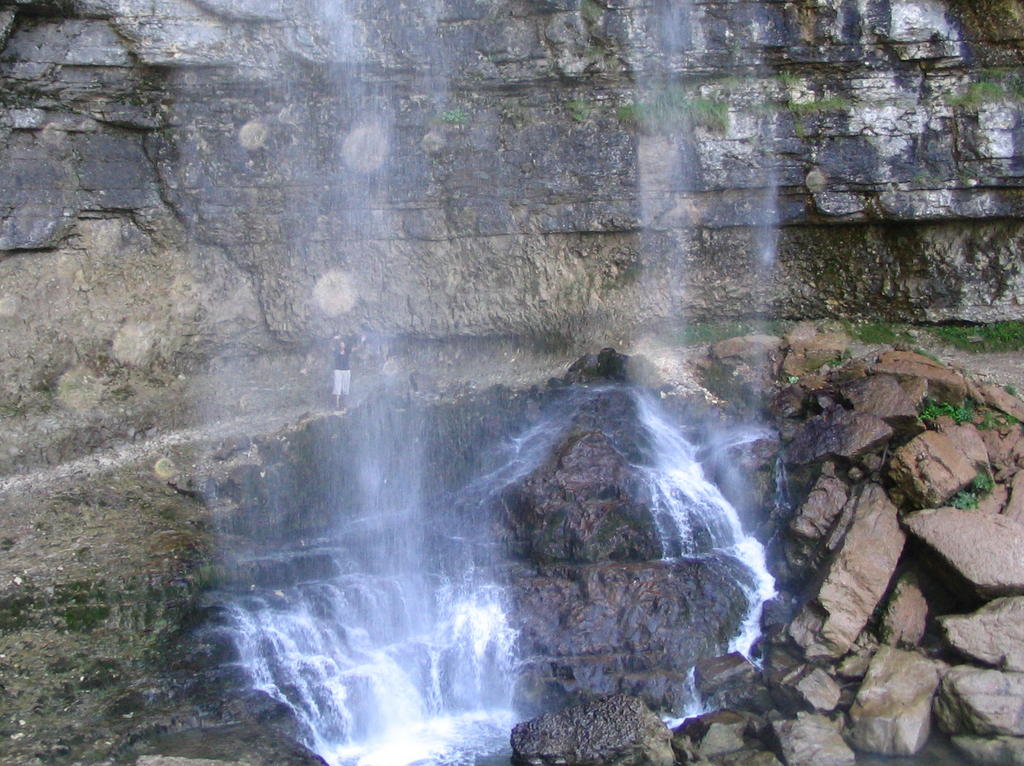 Jill behind Le Grand Saut
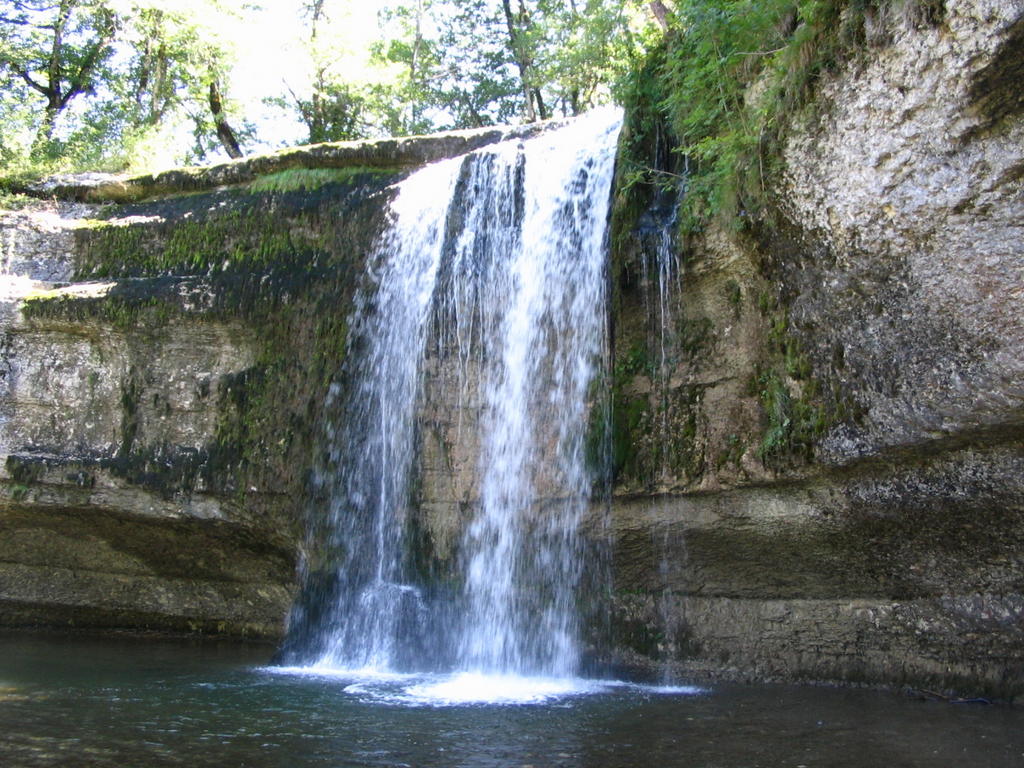 Le Saut de la Forge
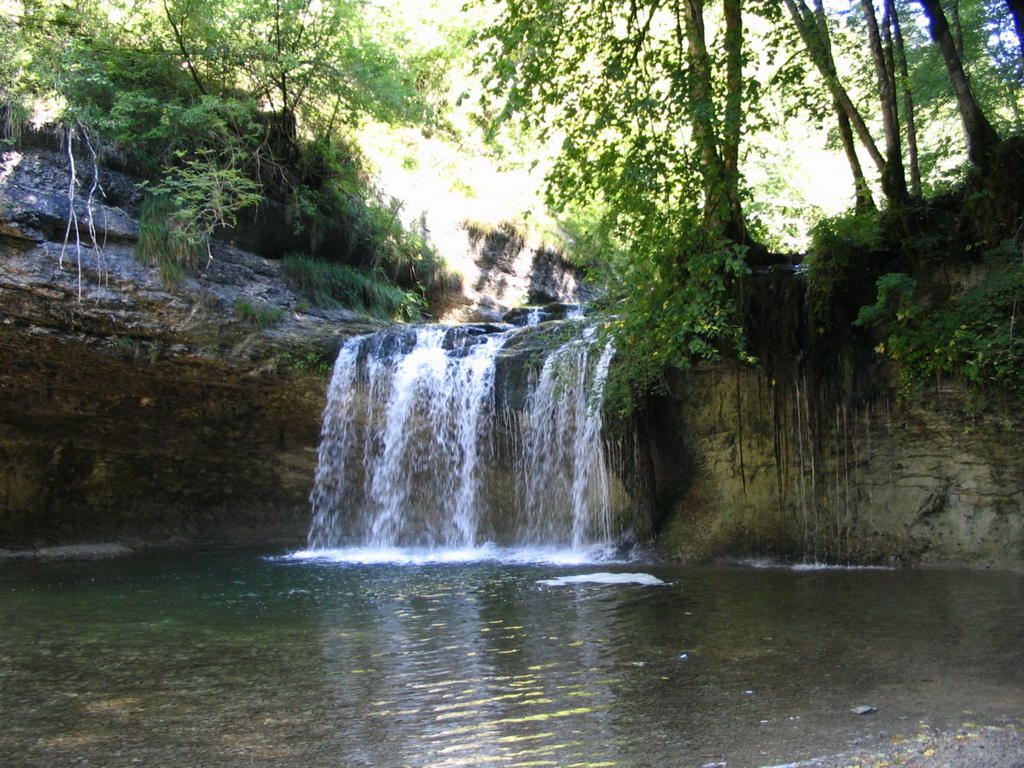 Le Gour Bleu
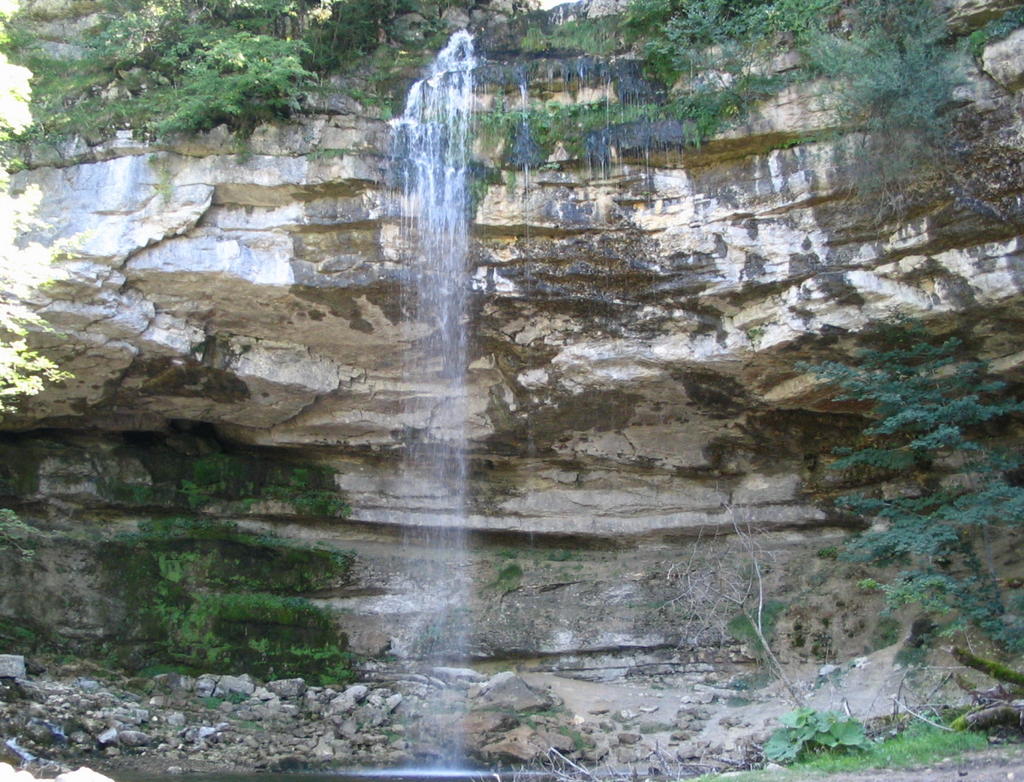 Le Saut Girard
 Lac du Val
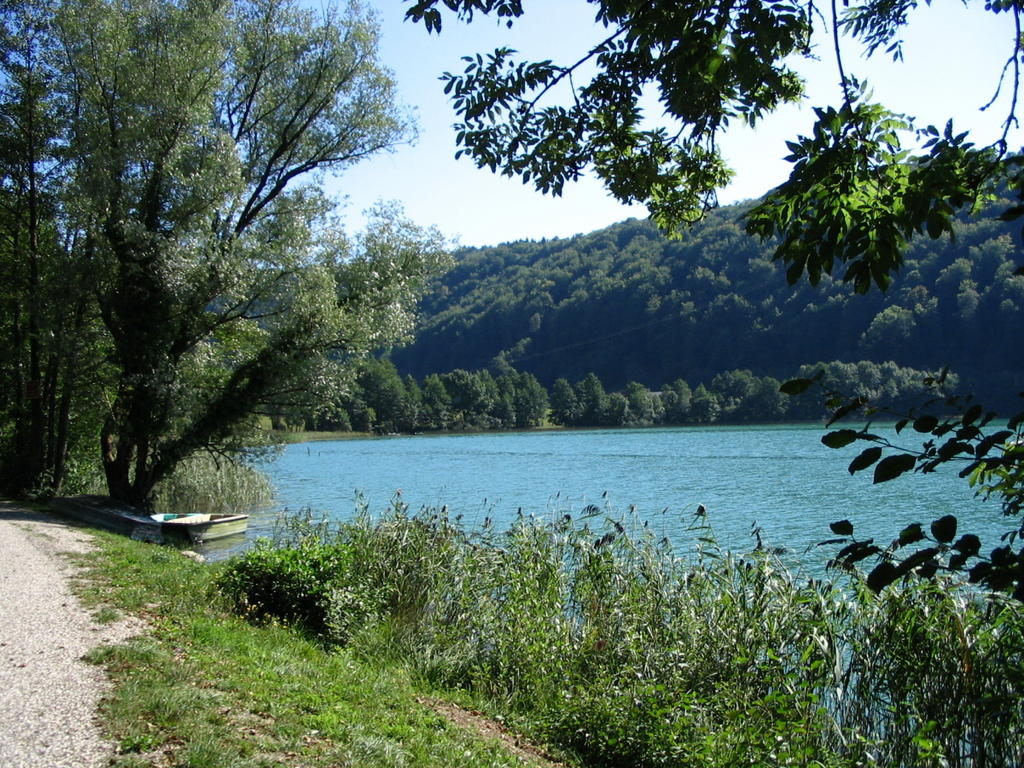 Couldn’t resist a second view!
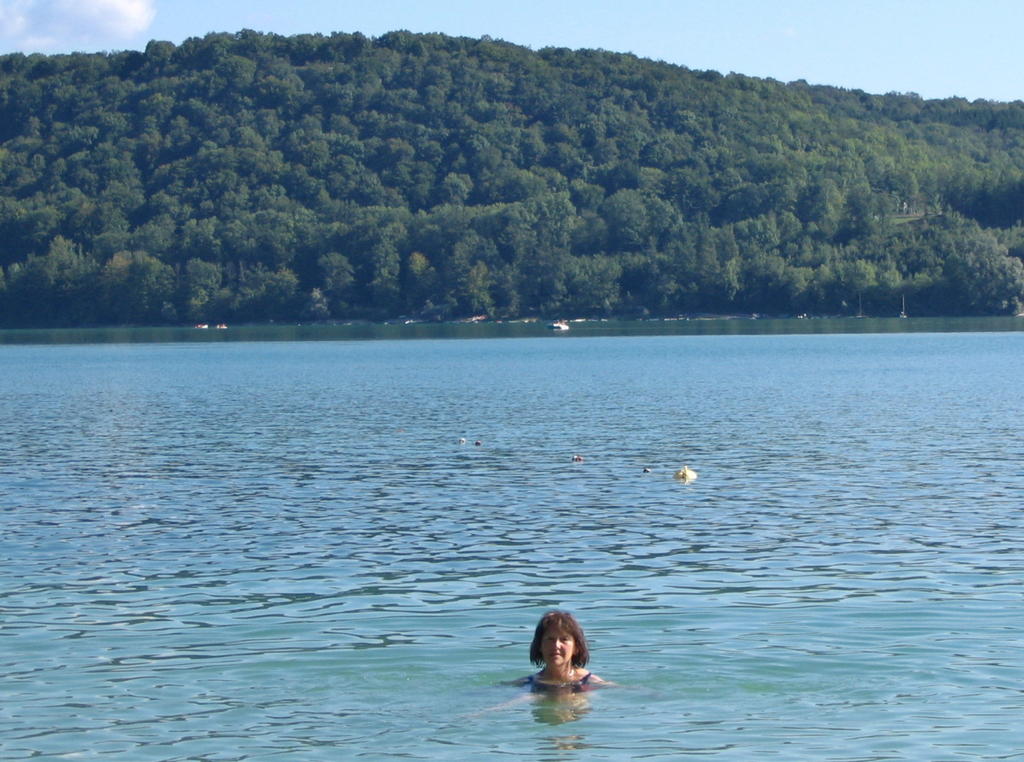 Lac Chalain
 Allons enfants de la Patrie,